Of course. Here is a detailed analysis of the impact of Wireless ESD monitoring equipment on productivity and traceability, building on the previous context.
The Transformative Impact of Wireless ESD Monitoring on Productivity and Traceability
In modern manufacturing, particularly in sectors like semiconductors, medical devices, and aerospace, two metrics are paramount: Productivity (the efficiency of production) and Traceability (the ability to verify the history and conditions of a product). Wireless ESD (Electrostatic Discharge) monitoring equipment is revolutionizing both, moving ESD control from a passive, compliance-based activity to an active, integrated, and data-driven strategy.
Part 1: Impact on Productivity
Productivity is not just about speed; it's about the efficient use of resources to produce high-quality output. Wireless ESD monitoring enhances productivity by eliminating bottlenecks, reducing waste, and optimizing workflows.
1. Elimination of Process Disruption:
Traditional Wired Systems: Adding, moving, or repairing a monitoring point requires electricians to run conduit and cables. This often necessitates shutting down a production line, a costly and time-consuming process that directly impacts Overall Equipment Effectiveness (OEE).
Wireless Systems: Deployment and reconfiguration are as simple as placing a battery-powered sensor. This allows for rapid line rebalancing, new workstation setup, and process optimization with zero downtime for system installation.
2. Automation of Manual Tasks:
Before: Technicians and operators spend significant time on manual ESD checks—logging wrist strap and worksurface resistance with a handheld meter, filling out paper forms, and filing records. This is a non-value-added activity prone to human error and falsification.
After: Wireless systems automate these checks completely. Personnel are freed to focus on value-added tasks like assembly, testing, and quality inspection. This direct labor savings is a immediate and measurable productivity gain.
3. Reduction in ESD-Caused Defects and Rework:
Proactive vs. Reactive: The real-time, continuous nature of wireless monitoring means the system alerts an operator the instant their wrist strap fails. This prevents a non-compliant state from persisting, potentially for an entire shift, which could lead to an entire batch of product being built under high-risk conditions.
Result: By catching issues in real-time, wireless systems directly prevent ESD events that cause latent or catastrophic failures. This leads to a higher First-Pass Yield, less scrap, and a dramatic reduction in costly, labor-intensive rework.
4. Faster Root Cause Analysis and Resolution:
When a failure occurs during electrical test, finding the cause is critical. With a wired system, investigators have limited data.
A wireless system provides a precise, timestamped record. An engineer can query the data to see if any ESD events or grounding faults occurred on a specific workstation at the time a specific unit was being assembled. This slashes problem-solving time from days or weeks to minutes, getting the line back to full productivity much faster.
Part 2: Impact on Traceability
Traceability is the backbone of quality assurance and regulatory compliance. It provides the "proof" that a product was built under controlled conditions. Wireless ESD monitoring elevates traceability from a sampling of data to a comprehensive, unbroken digital thread.
1. Granular, Operator-Level Data:
Traditional: Data is often tied only to a workstation.
Wireless: When an operator logs into a wireless wrist strap monitor, all compliance data is tied to their unique ID. This creates an auditable record that Operator 123 was properly grounded while working on Serial Number XYZ. This level of accountability is impossible to achieve with manual checks or basic wired systems.
2. Continuous Data Logging vs. Periodic Snapshots:
Manual checks provide a "snapshot" of compliance—a passing grade at 9:00 AM says nothing about the condition at 11:30 AM.
Wireless systems provide a continuous data stream, creating an unbroken record that the ESD system was functional 24/7. For high-reliability products, this continuous proof is a requirement, not a luxury.
3. Immutable Digital Records for Audits:
Paper logs can be lost, damaged, or altered.
Data from a wireless system is stored automatically in a secure, central database. This creates an immutable and easily searchable audit trail for internal audits and external regulators (e.g., FDA, ISO auditors). Generating a compliance report for a specific product batch becomes a matter of a few clicks, saving dozens of hours of manual preparation.
4. Enhanced Correlation and Analytics:
The rich dataset from a wireless system allows for powerful analytics. Quality data (e.g., test failure rates) can be correlated with ESD compliance data from the assembly line.
For example, you might discover that a specific failure mode strongly correlates with minor, but frequent, ESD events on one particular workstation. This deep insight allows for targeted process improvements that directly improve product reliability and traceability.
Conclusion: The Synergistic Effect
The greatest impact of wireless ESD monitoring is the synergy between improved productivity and enhanced traceability.
You cannot have high productivity without high quality, and you cannot have high quality without robust traceability.
The real-time alerts that boost productivity by preventing defects also generate the timestamped data that forms the bedrock of traceability.
The automation that frees up operator time also eliminates human error from the traceability record, making it more reliable.
In essence, wireless ESD monitoring transforms ESD control from a static "check-the-box" cost center into a dynamic, value-generating asset. It provides the data-driven certainty needed to maximize yield, ensure quality, and meet stringent regulatory demands, making it an indispensable tool for any advanced, high-mix, or high-reliability manufacturing environment.


 English
 Español
 Portugues
 Pусский
 Français
 Deutsch
 日本語
日本語 العربية
 Italiano
 Nederlands
 Polski
 ไทย
ไทย Türk dili
 हिन्दी
 Indonesia
 Melayu
 Tiếng Việt
 বাংলা
বাংলা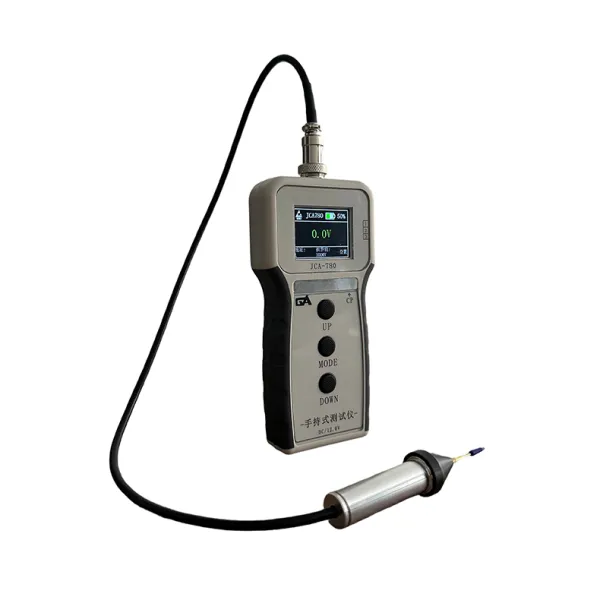 Portable Compact Isolated Conductor Tester - Precise Static Voltage Meter with Touchscreen Operation
 Touch-Operated Handheld ESD Tester - Accurate Static Detection Instrument
 Anti-Static High-Frequency Smart Soldering Station - Industrial-Grade Lead-Free Soldering Iron for Electronic Repair
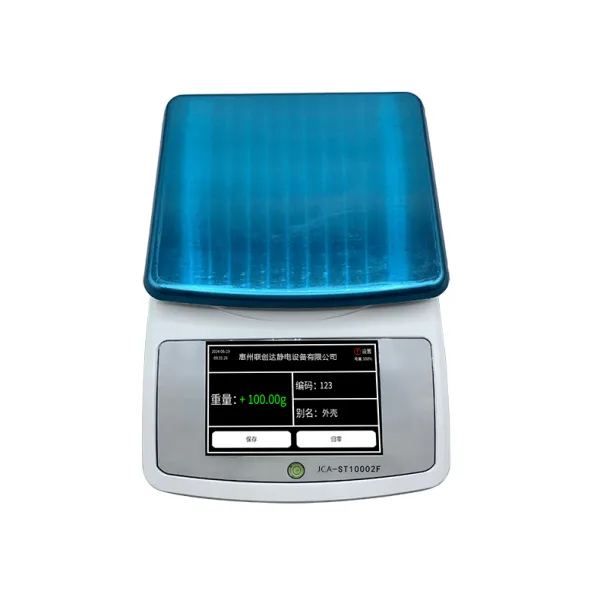 Lightweight Precision Industrial Scale - Portable High-Precision Weighing, QR Code Data Recording
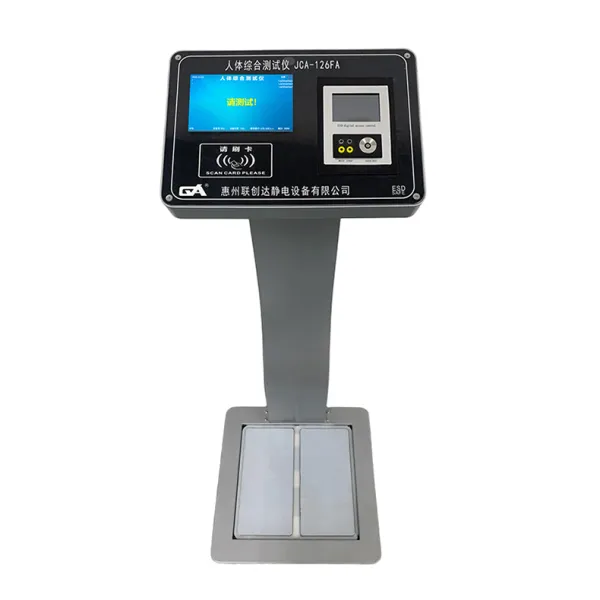 Pro ESD Human Body Comprehensive Tester - Anti-Static Access Gate with Biometric & Card Recognition
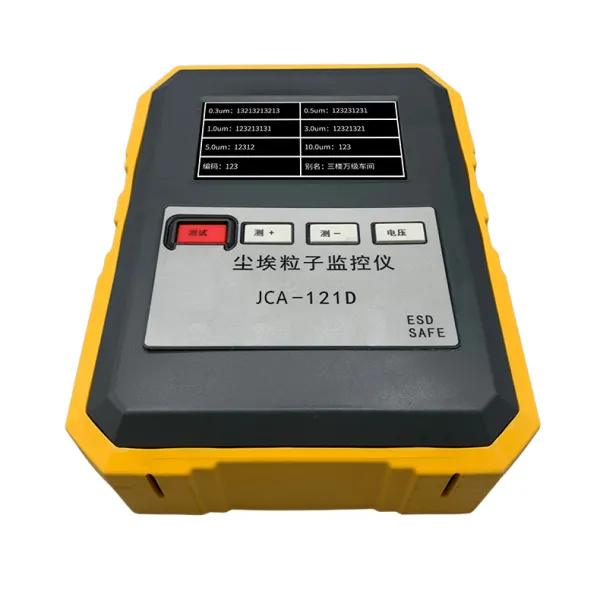 Lianchuangda Portable Particle Counter - Cleanroom-Specific Air Cleanliness Tester
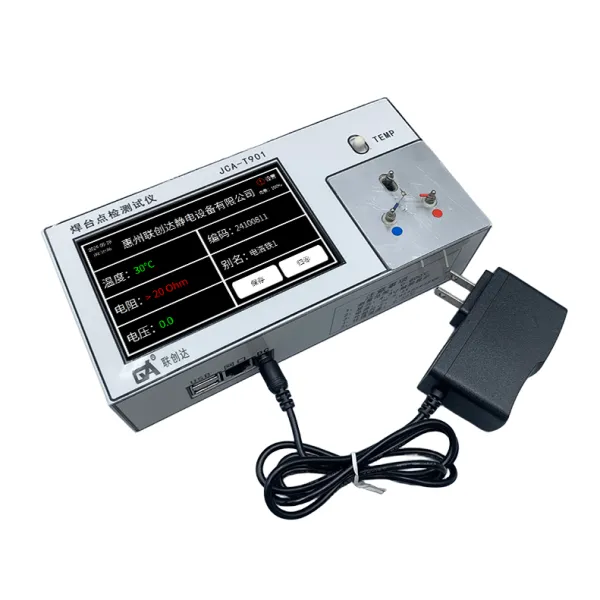 Lianchuangda Environmental Pressure Tester Wireless Digital Display & Grounding Monitoring
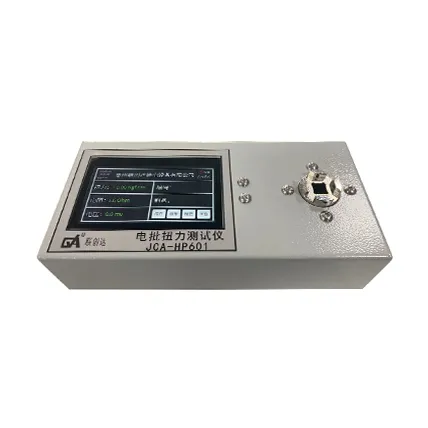 Digital Electric Screwdriver Torque Tester - Precise Measurement, Smart Data Storage
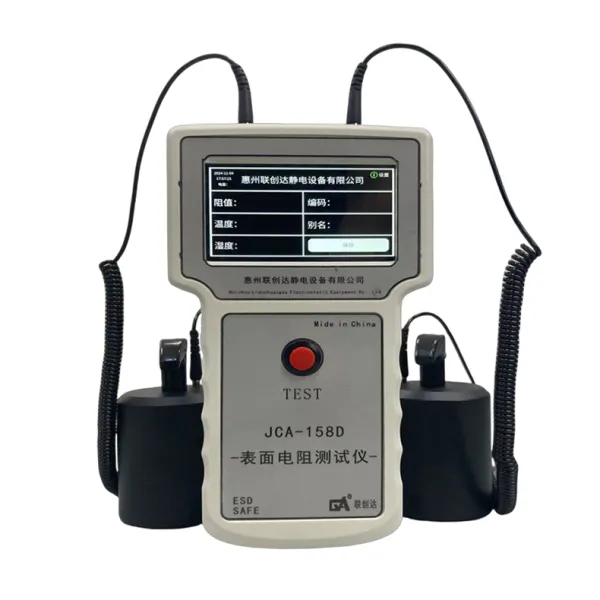 Portable Hammer Surface Resistance Tester - Smart Industrial Megohmmeter with Data Networking
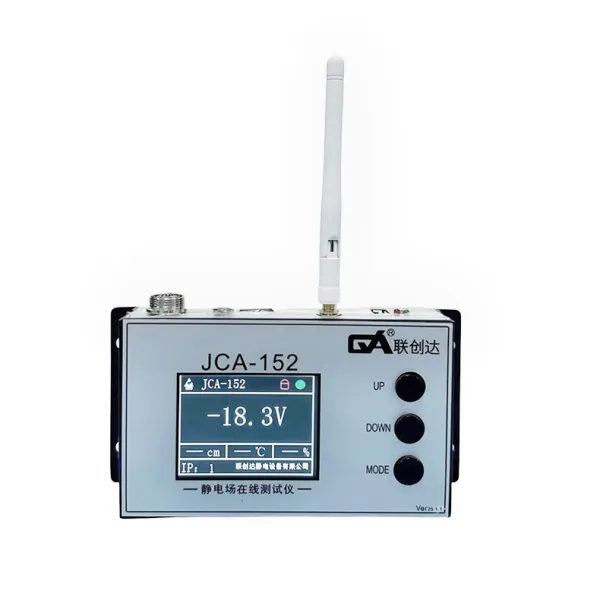 Wireless ESD Field Tester - Real-Time Voltage Monitoring, Easy Installation & Visual Operation
 Color Screen Wireless Ion Fan Static Tester with Voltage Measurement & Data Transmissio
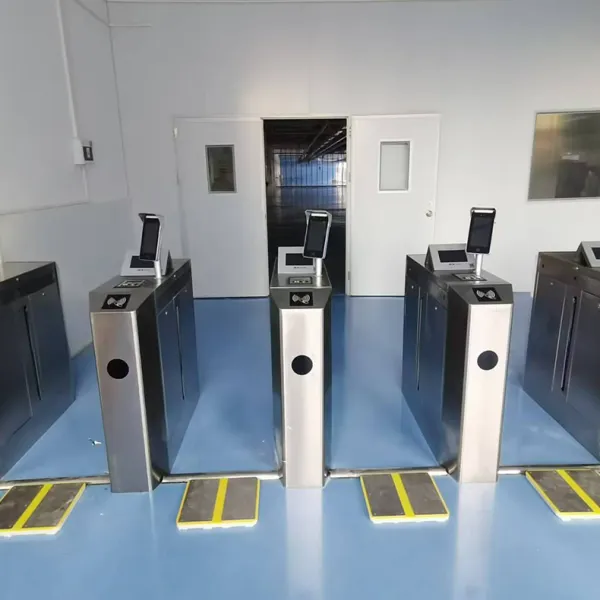 Lianchuangda Test Anti-static Access Control Turnstile JCA-S106 Supports MySQL Database
 Suspended 3-Head DC Ion Fan - Smart Quiet Static Eliminator, Customizable
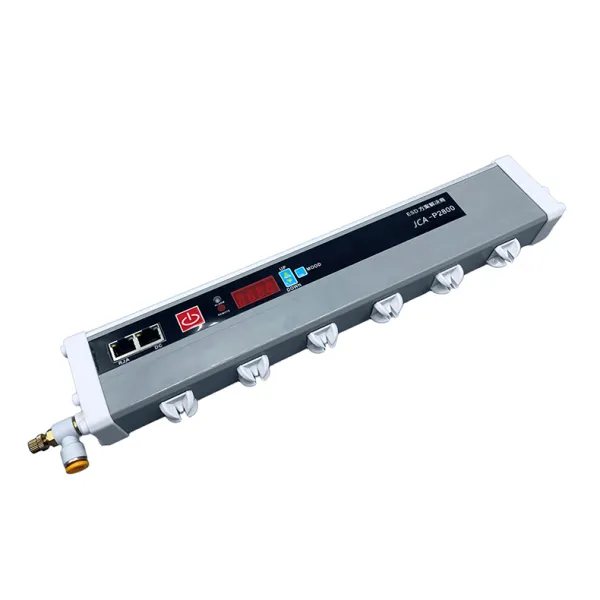 Pulse-Type ESD Ion Air Bar - Industrial-Specific Static Eliminator for ESD Removal
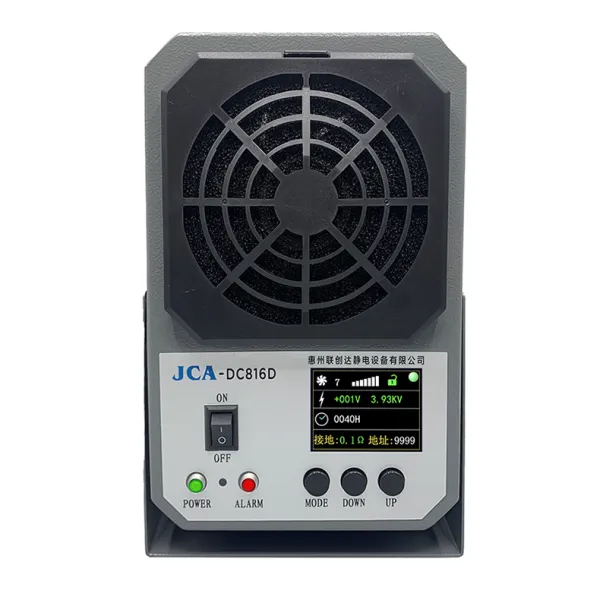 Lianchuangda Smart DC Ion Fan - Industrial-Grade Static Elimination for Factory Workshops
 Desktop DC Single-Head Ion Fan - Professional Static Eliminator with Wireless Network Connectivity
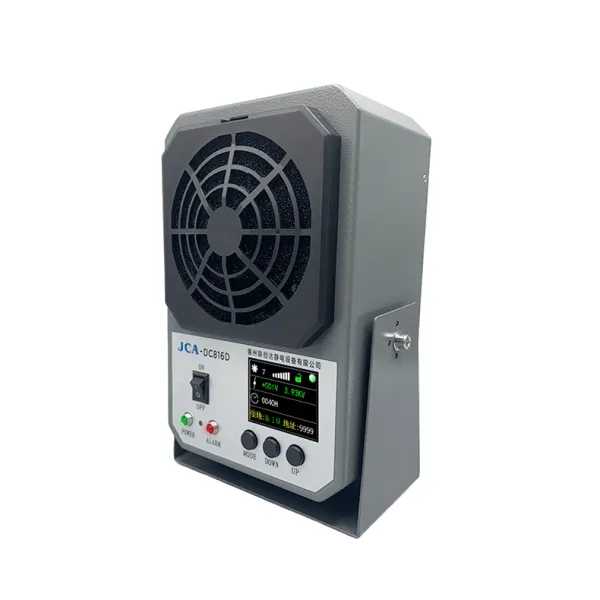 Intelligent DC Ion Fan Manufacturer Workshop Electronic Anti-Static Industrial-Grade Static Elimination Equipment
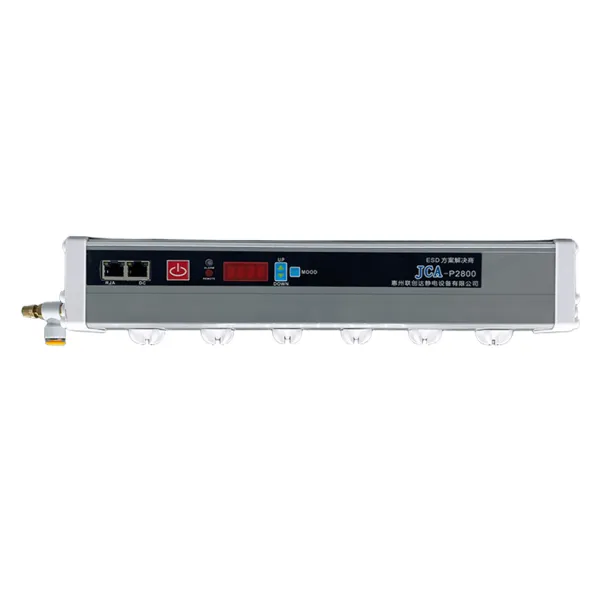 Industrial Static Elimination Pulse-type Anti-static Ion Air Bar Static Eliminator
 2.2-inch color screen three-air outlet ion fan static protection eliminates static electricity
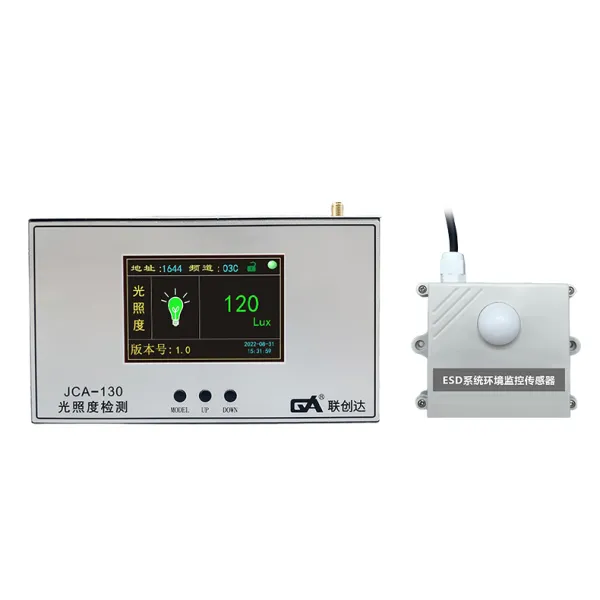 3.5 Inch Color LCD Wireless Digital Lux Meter - High-Precision Environmental Detector with Network Connectivity
 Smart Wireless Noise Detection Alarm System - Digital Tester for Environmental Monitoring with Networking
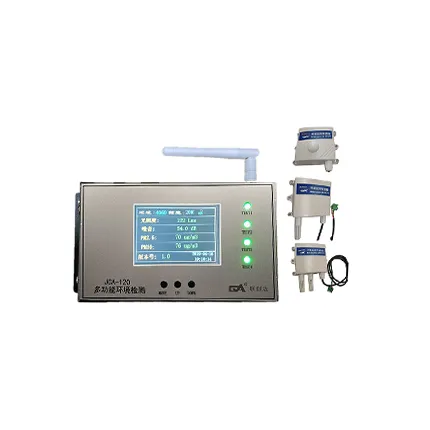 3.5 Inch Color LCD Wireless Multi-Functional Environmental Detector - Dust Particle Tester with WiFi Connectivity
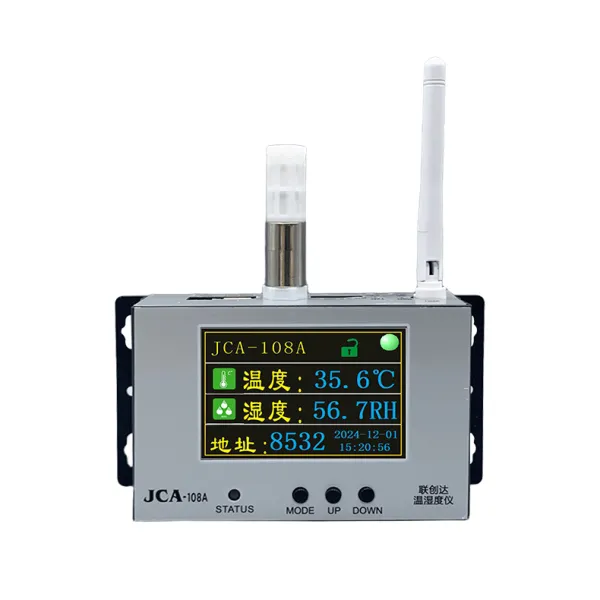 Wireless Temperature & Humidity Monitor - Smart Recorder with Remote Query & Data Transmission
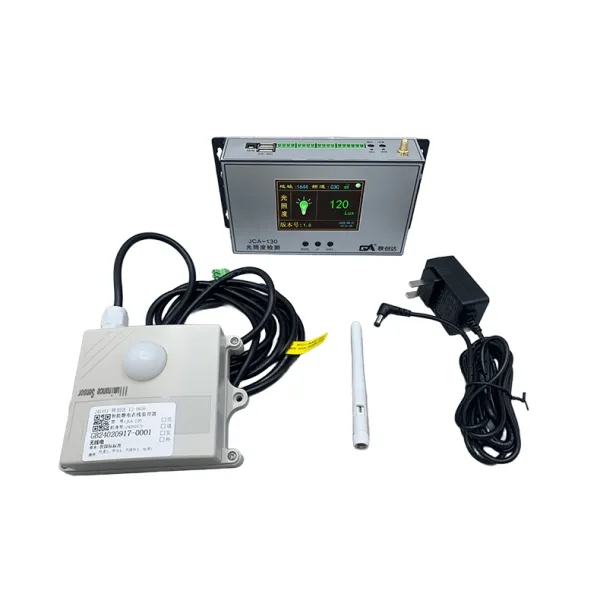 Lianchuangda Wireless Digital Display Illuminance Tester - 3.5-inch LCD Color Screen Dynamic Display High-Precision Environmental Tester



 왓츠앱
왓츠앱 핸드폰
핸드폰
논평
(0)