The Critical Alliance: Wireless ESD Monitoring in Cleanroom Environments
In the high-stakes environments of semiconductor manufacturing, pharmaceuticals, biotechnology, and aerospace, cleanrooms are the frontline defense against contamination. Simultaneously, Electrostatic Discharge (ESD) poses an invisible, insidious threat to sensitive components. Traditional wired ESD monitoring systems have long been a standard, but the advent of Wireless ESD monitoring equipment represents a paradigm shift, offering a powerful synergy of contamination control and real-time, flexible electrostatic protection.
Here are the key benefits of implementing wireless ESD monitoring in cleanroom environments:
1. Enhanced Contamination Control
This is the most significant advantage for any cleanroom operation.
Elimination of Cable Penetrations: Wired systems require cables to run from monitors to central systems, often through walls or floors. Each penetration is a potential breach in the cleanroom envelope, requiring complex and expensive sealing and increasing the risk of particle ingress.
Reduced Cable Clutter: Cables on the floor or workbenches can trap particles and disrupt laminar airflow, creating micro-environments of higher contamination. Wireless systems remove this clutter entirely, promoting optimal airflow and making cleaning more effective and efficient.
2. Unprecedented Flexibility and Scalability
Cleanrooms are dynamic, with processes and layouts that frequently change.
Rapid Reconfiguration: Adding, moving, or removing a monitoring point is as simple as relocating a battery-powered wireless node. There is no need for costly and disruptive rewiring, conduit installation, or requalification of the cleanroom integrity.
Easy Expansion: Scaling the monitoring system to cover a new production line or an additional cleanroom zone is fast and cost-effective. You only need to deploy new wireless sensors, with minimal infrastructure impact compared to running new cables.
3. Comprehensive, Real-Time Data and Visibility
Wireless systems provide a holistic view of the ESD landscape.
True Continuous Monitoring: Wireless sensors can be placed at every critical ESD-controlled workstation (ESD mats, worksurfaces, equipment) and on personnel (via wireless wrist straps), providing a continuous stream of data. This moves beyond periodic checks to a true 24/7 real-time monitoring paradigm.
Centralized Dashboard: Data from all wireless sensors is aggregated into a central software dashboard, giving managers a live, plant-wide view of ESD compliance. They can see the status of every operator and every workstation simultaneously.
4. Improved Productivity and Operational Efficiency
By removing physical constraints and automating processes, wireless monitoring directly boosts efficiency.
Minimized Downtime: The elimination of cable-related installation and maintenance drastically reduces system downtime. Production lines can be modified without waiting for electricians to pull new wires.
Automated Compliance Reporting: Manual record-keeping is error-prone and time-consuming. Wireless systems automatically log all data, generate compliance reports, and provide an auditable trail, saving countless hours of administrative work and ensuring data integrity for audits (e.g., ISO 9001, IATF 16949).
5. Proactive Alerts and Instant Response
Prevention is always better than cure, especially with ESD where damage can be latent.
Immediate Notification: The moment a wireless wrist strap fails or a worksurface loses its ground connection, the system can trigger an immediate alert via SMS, email, or on-screen alarms. This allows for a real-time response, preventing a non-compliant state from persisting and potentially damaging product.
Root Cause Analysis: With precise, timestamped data, supervisors can quickly identify the who, what, when, and where of an ESD event, facilitating effective root cause analysis and corrective actions.
6. Enhanced Personnel Accountability and Training
Wireless systems bring a new level of accountability to the cleanroom floor.
Operator-Specific Monitoring: When an operator logs into a wireless wrist strap monitor, their compliance data is tied directly to them. This encourages personal responsibility and helps identify individuals who may need refresher training on ESD protocols.
Data-Driven Training: The wealth of collected data can be used to identify common failure modes and tailor ESD awareness training to address specific, real-world issues occurring in the cleanroom.
7. Long-Term Cost Savings
While the initial investment in a wireless system may be comparable or slightly higher, the Total Cost of Ownership (TCO) is often lower.
Reduced Installation Costs: Savings on cabling, conduit, labor, and cleanroom sealing during initial setup and modifications are substantial.
Lower Maintenance: With no cables to damage or connectors to corrode, wireless systems generally require less maintenance.
Prevention of Costly Rework/Scrap: By preventing ESD events in real-time, wireless systems directly protect high-value products from damage, avoiding the enormous costs associated with scrap, rework, and field failures.
Conclusion
The integration of wireless ESD monitoring equipment is not merely an upgrade; it is a strategic enhancement that aligns perfectly with the core objectives of a cleanroom: ultimate purity and ultimate control. By eliminating contamination vectors, providing unparalleled operational flexibility, and enabling a proactive, data-driven approach to electrostatic management, wireless systems offer a clear path to higher yields, improved compliance, and a stronger bottom line. In the demanding world of advanced manufacturing, where a single static spark can equate to a significant financial loss, the benefits of going wireless are, quite simply, undeniable.


 English
 Español
 Portugues
 Pусский
 Français
 Deutsch
 日本語
日本語 العربية
 Italiano
 Nederlands
 Polski
 ไทย
ไทย Türk dili
 हिन्दी
 Indonesia
 Melayu
 Tiếng Việt
 বাংলা
বাংলা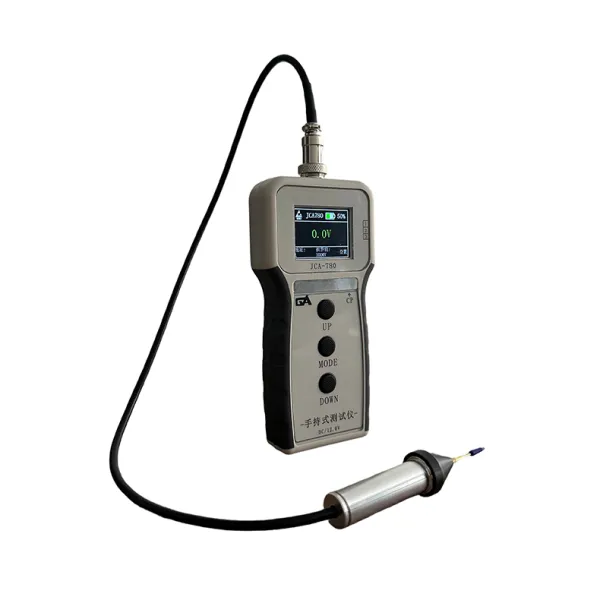 Portable Compact Isolated Conductor Tester - Precise Static Voltage Meter with Touchscreen Operation
 Touch-Operated Handheld ESD Tester - Accurate Static Detection Instrument
 Anti-Static High-Frequency Smart Soldering Station - Industrial-Grade Lead-Free Soldering Iron for Electronic Repair
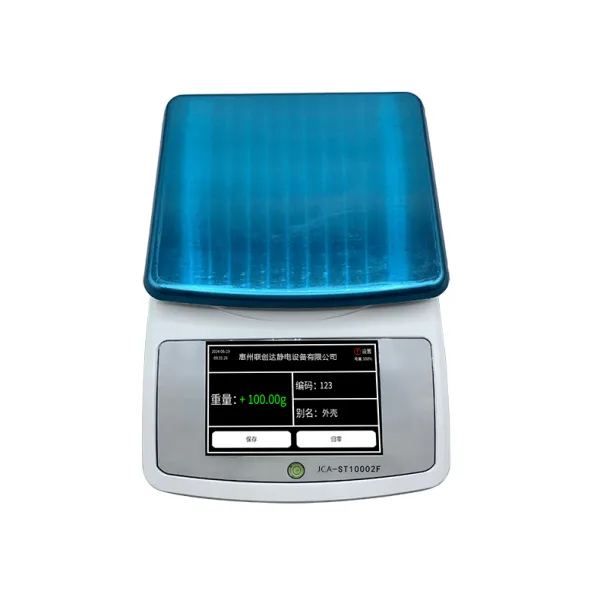 Lightweight Precision Industrial Scale - Portable High-Precision Weighing, QR Code Data Recording
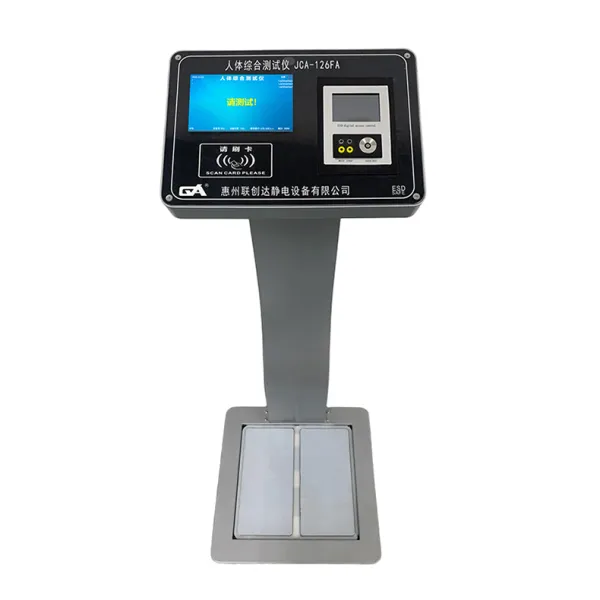 Pro ESD Human Body Comprehensive Tester - Anti-Static Access Gate with Biometric & Card Recognition
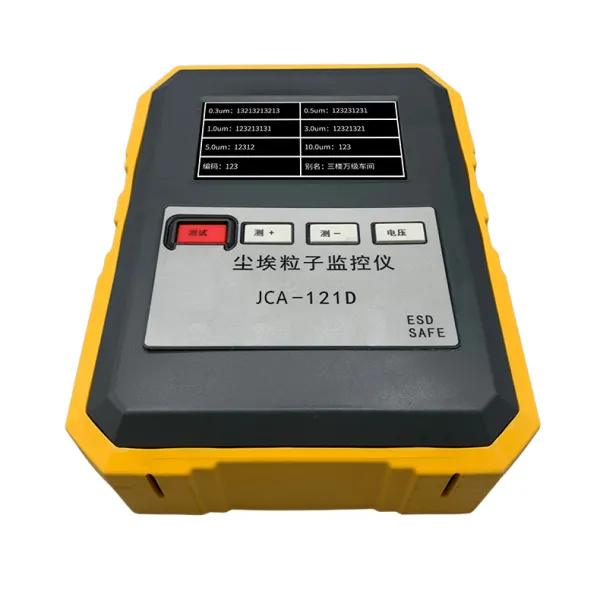 Lianchuangda Portable Particle Counter - Cleanroom-Specific Air Cleanliness Tester
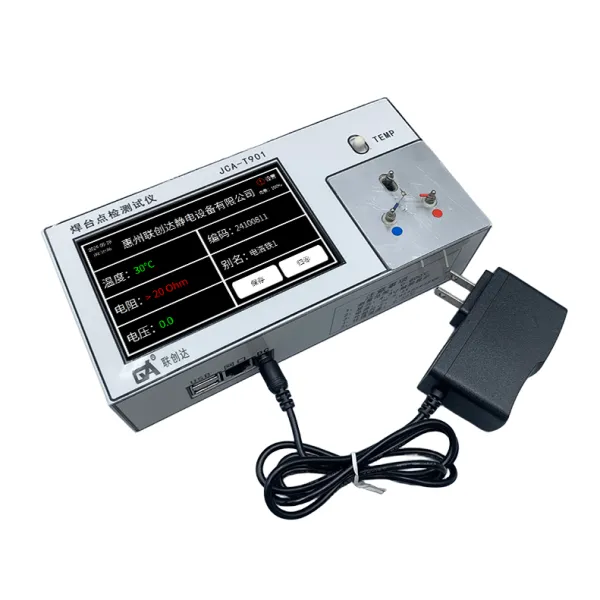 Lianchuangda Environmental Pressure Tester Wireless Digital Display & Grounding Monitoring
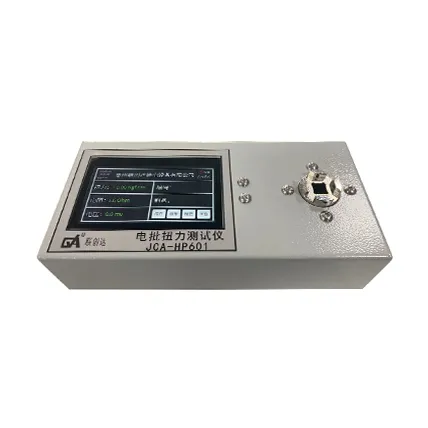 Digital Electric Screwdriver Torque Tester - Precise Measurement, Smart Data Storage
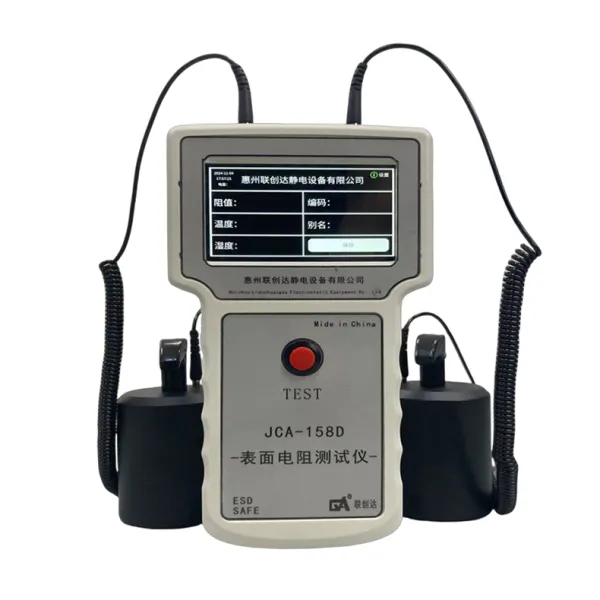 Portable Hammer Surface Resistance Tester - Smart Industrial Megohmmeter with Data Networking
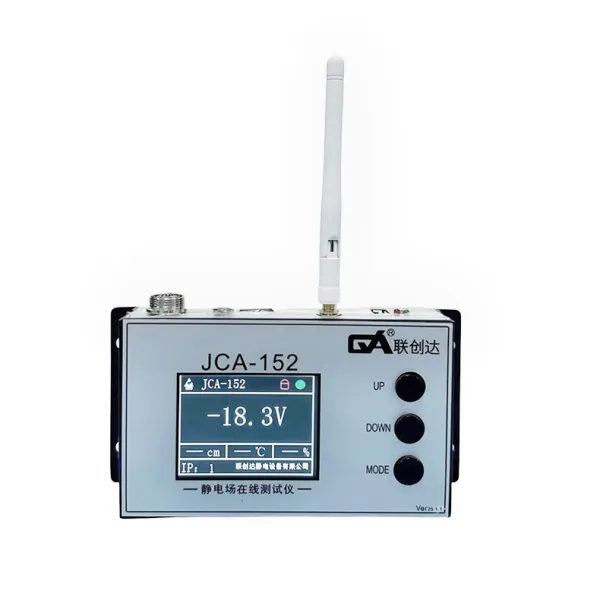 Wireless ESD Field Tester - Real-Time Voltage Monitoring, Easy Installation & Visual Operation
 Color Screen Wireless Ion Fan Static Tester with Voltage Measurement & Data Transmissio
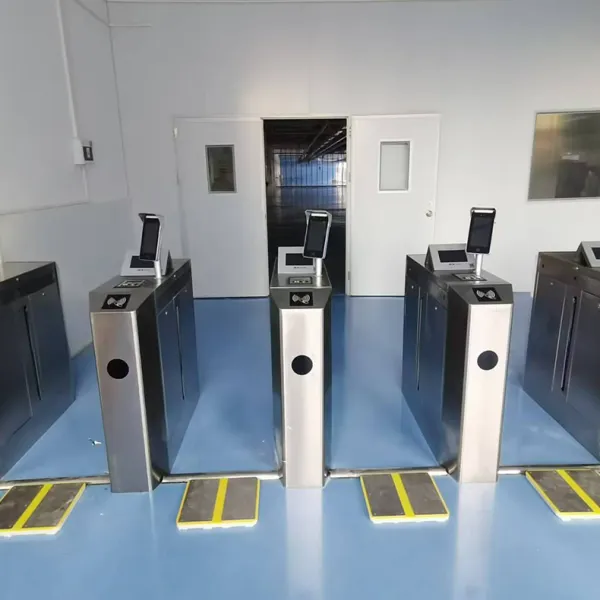 Lianchuangda Test Anti-static Access Control Turnstile JCA-S106 Supports MySQL Database
 Suspended 3-Head DC Ion Fan - Smart Quiet Static Eliminator, Customizable
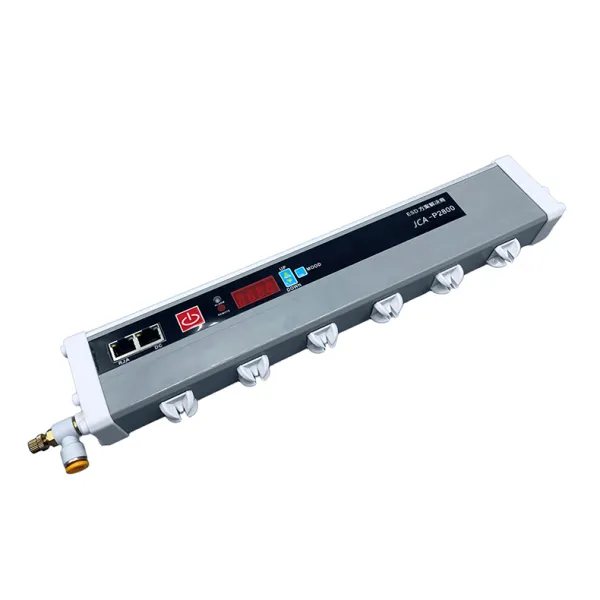 Pulse-Type ESD Ion Air Bar - Industrial-Specific Static Eliminator for ESD Removal
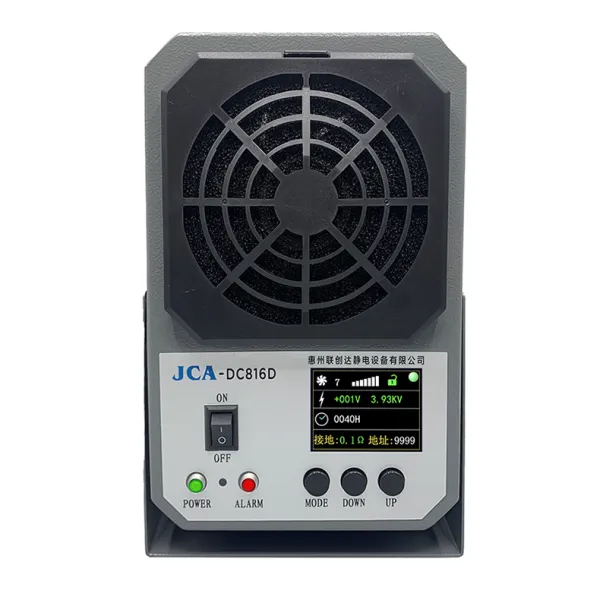 Lianchuangda Smart DC Ion Fan - Industrial-Grade Static Elimination for Factory Workshops
 Desktop DC Single-Head Ion Fan - Professional Static Eliminator with Wireless Network Connectivity
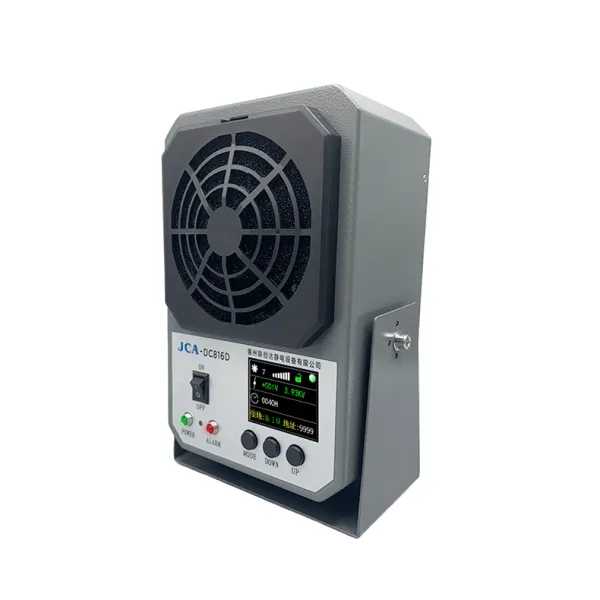 Intelligent DC Ion Fan Manufacturer Workshop Electronic Anti-Static Industrial-Grade Static Elimination Equipment
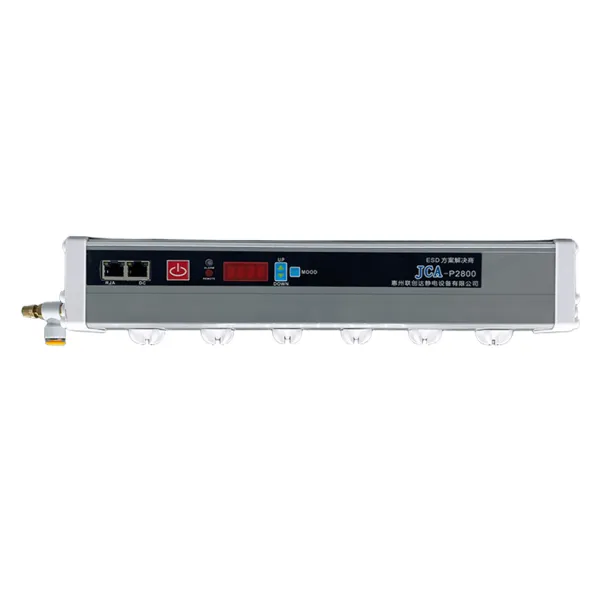 Industrial Static Elimination Pulse-type Anti-static Ion Air Bar Static Eliminator
 2.2-inch color screen three-air outlet ion fan static protection eliminates static electricity
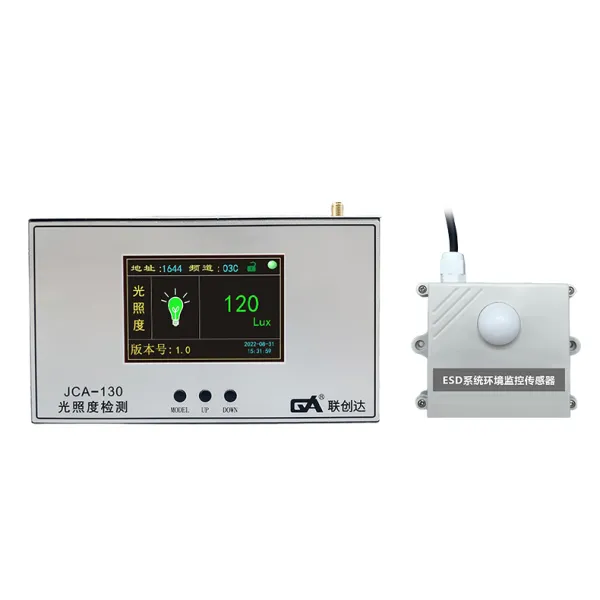 3.5 Inch Color LCD Wireless Digital Lux Meter - High-Precision Environmental Detector with Network Connectivity
 Smart Wireless Noise Detection Alarm System - Digital Tester for Environmental Monitoring with Networking
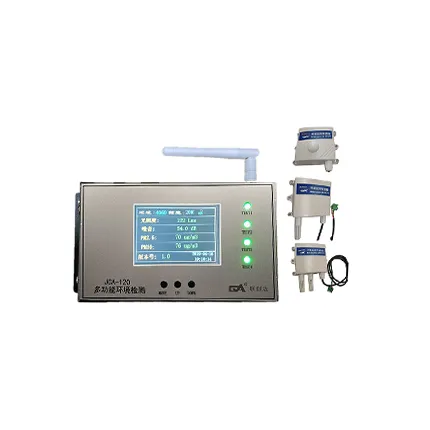 3.5 Inch Color LCD Wireless Multi-Functional Environmental Detector - Dust Particle Tester with WiFi Connectivity
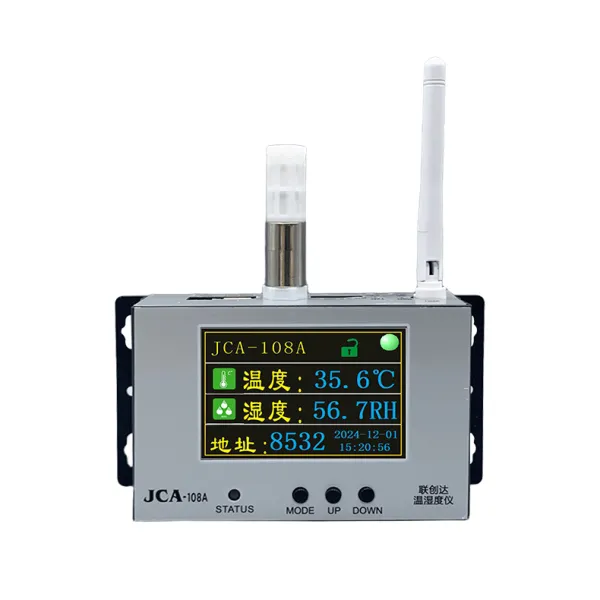 Wireless Temperature & Humidity Monitor - Smart Recorder with Remote Query & Data Transmission
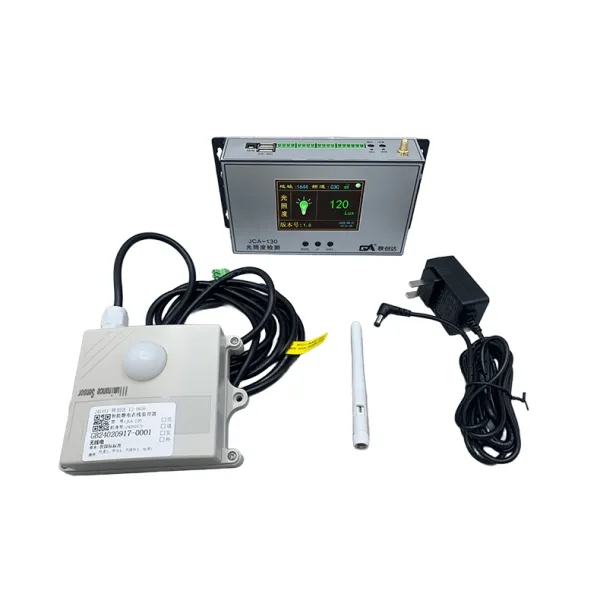 Lianchuangda Wireless Digital Display Illuminance Tester - 3.5-inch LCD Color Screen Dynamic Display High-Precision Environmental Tester



 왓츠앱
왓츠앱 핸드폰
핸드폰
논평
(0)