Core Objectives of an ESD Audit
The purpose of an ESD audit is to systematically verify whether your ESD Protective Area (EPA) continuously and effectively complies with established standards (e.g., ANSI/ESD S20.20, IEC 61340-5-1). In this process, the electrostatic field meter acts as a "detective," uncovering potential, invisible electrostatic risks.
Pre-Audit Preparation
Define Audit Criteria:
Have your internal ESD control program documents and technical standards ready.
Be thoroughly familiar with the established electrostatic field strength limits for different zones (e.g., sensitive work surface requirement ≤ ±100V).
Calibrate Instrument:
Develop Audit Plan & Checklist:
On-Site Audit: Four Core Stages of Using the Meter
You can structure the audit process into the following four logical stages to systematically use the meter:
Stage 1: Environment & Surface Audit - Identifying "Charged Hotspots"
This is the most direct application of the meter. The goal is to assess whether the work environment itself is generating excessive electrostatic fields.
Operation:
Work Surfaces: Especially areas with plastic folders, ordinary coffee mugs, personal phones.
Equipment Surfaces: Non-grounded monitor housings, keyboards, tools.
Material Storage Areas: Ordinary plastic trays, foam boxes, packaging films.
Flooring: Test after walking across different types of flooring (anti-static vs. regular).
Airflow: Test near air vents, fans, or air guns, as air friction can generate static.
Turn on the meter and select the appropriate range.
Slowly move the meter's probe (rapid movement can cause reading errors) across the following areas:
Audit Focus:
Record any location where the reading exceeds the limit.
Photograph the "hotspot" location and describe the condition (e.g., "Ordinary plastic pen holder on operator's left side").
Stage 2: Personnel Operations Audit - Assessing "Body Voltage"
The operator is the largest source of static. This stage assesses whether the electrostatic potential generated by personnel during typical operations is controlled.
Operation:
Ask the operator to simulate normal work motions (e.g., picking up a PCB, moving a product on the bench, tearing tape).
Point the meter's probe towards the operator's hands, arms, or body (maintain a safe distance, typically 5-15 cm, refer to the instrument manual).
Audit Focus:
Observe the peak body voltage during critical actions (e.g., standing up/sitting down, rubbing clothing, handling insulators).
Verify if the operator is wearing the wrist strap correctly. Perform a comparative test: first test body voltage with the strap properly worn, then have the operator intentionally disconnect it and repeat the actions. Observe the dramatic voltage change. This visually demonstrates the strap's necessity.
Stage 3: Protective Measure Effectiveness Verification - Testing the "Solutions"
Evaluate whether the deployed anti-static measures are truly working.
Stage 4: Process & Item Compliance Audit
Check for the presence of unapproved insulators brought into the EPA.
Operation: Use the meter to quickly scan personal items, tools, documents, etc., on the workbench.
Audit Focus: If an insulator (e.g., a common plastic bag) is found to hold thousands of volts and is located close to sensitive products, this constitutes a major non-conformance. The meter provides objective evidence to demand its removal or replacement with an ESD-safe version.
Post-Audit: Data Analysis & Reporting
Compile Data: Organize all test point readings, photographs, and observations into a table.
Risk Analysis: Correlate out-of-spec points with the product flow and assess their risk level. For example, a high electrostatic field found at a chip placement station is "High Risk," while the same reading in a warehouse packaging area might be "Medium Risk."
Generate Audit Report:
Conformities & Non-Conformities: List them clearly based on the data.
Root Cause Analysis: For non-conformities, record the observation and analyze the underlying cause. Example: The root cause of "Excessive field at Station A" might be "Ionizer failure due to lack of periodic maintenance."
Corrective & Preventive Actions: Provide specific rectification recommendations, such as "Perform quarterly performance verification and record for all ionizers."
Summary: The Value of the Electrostatic Field Meter in ESD Auditing
Key Reminder: The electrostatic field meter is an excellent tool for finding problems, but it measures the "field" rather than the "discharge" itself. A comprehensive ESD audit still requires combining it with other tools like ground resistance testers, Surface resistance testers, and wrist strap testers to form a holistic, data-driven verification system.


 English
 Español
 Portugues
 Pусский
 Français
 Deutsch
 日本語
日本語 العربية
 Italiano
 Nederlands
 Polski
 ไทย
ไทย Türk dili
 हिन्दी
 Indonesia
 Melayu
 Tiếng Việt
 বাংলা
বাংলা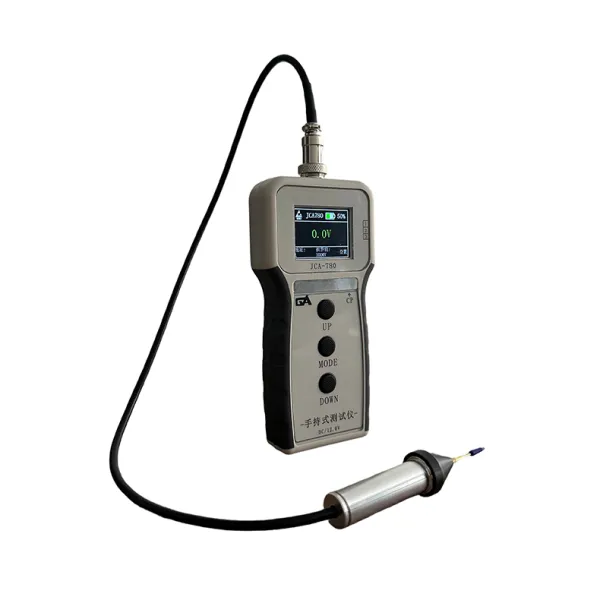 Portable Compact Isolated Conductor Tester - Precise Static Voltage Meter with Touchscreen Operation
 Touch-Operated Handheld ESD Tester - Accurate Static Detection Instrument
 Anti-Static High-Frequency Smart Soldering Station - Industrial-Grade Lead-Free Soldering Iron for Electronic Repair
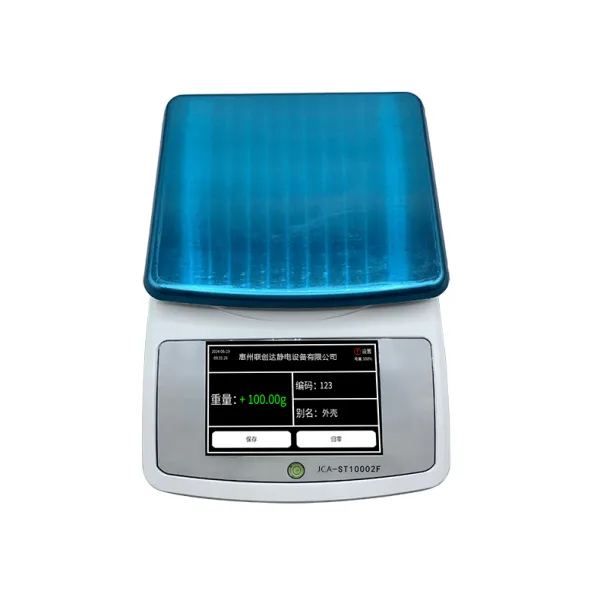 Lightweight Precision Industrial Scale - Portable High-Precision Weighing, QR Code Data Recording
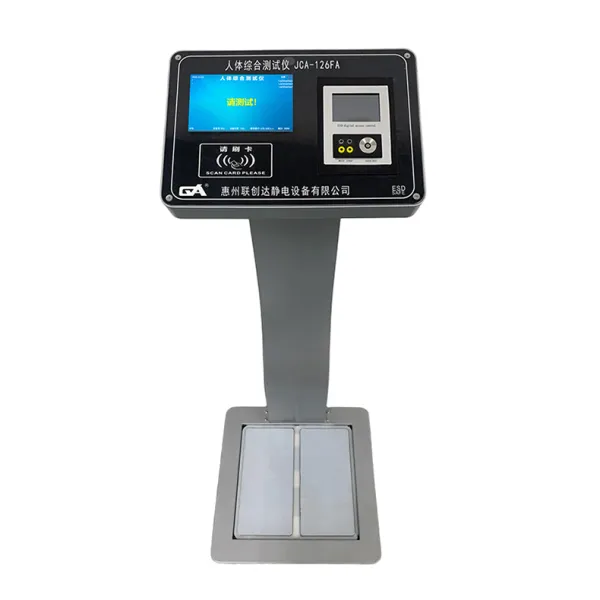 Pro ESD Human Body Comprehensive Tester - Anti-Static Access Gate with Biometric & Card Recognition
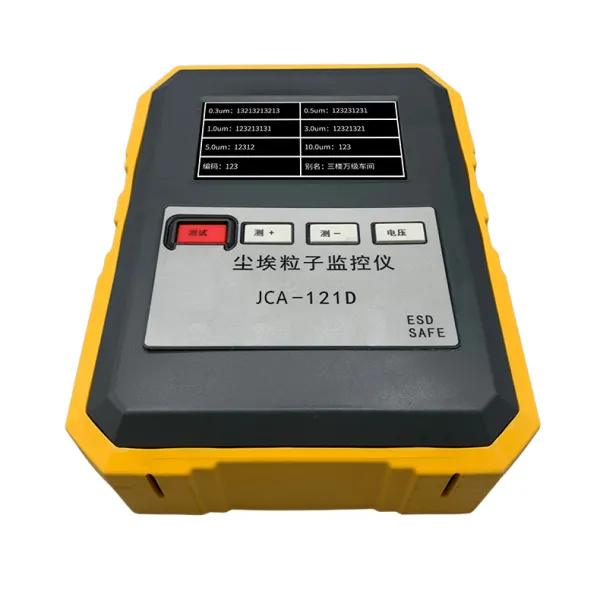 Lianchuangda Portable Particle Counter - Cleanroom-Specific Air Cleanliness Tester
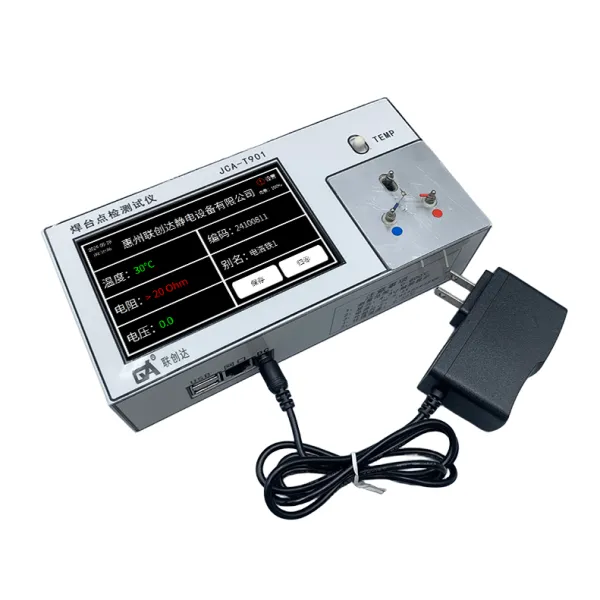 Lianchuangda Environmental Pressure Tester Wireless Digital Display & Grounding Monitoring
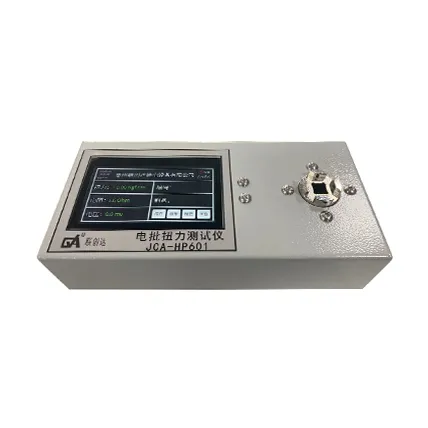 Digital Electric Screwdriver Torque Tester - Precise Measurement, Smart Data Storage
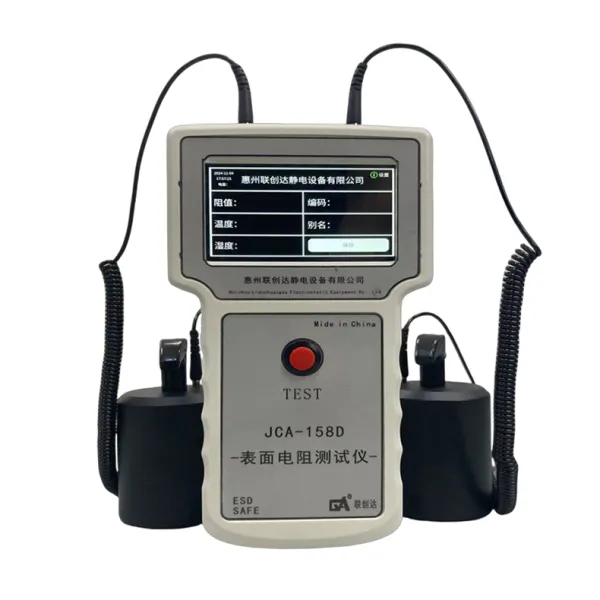 Portable Hammer Surface Resistance Tester - Smart Industrial Megohmmeter with Data Networking
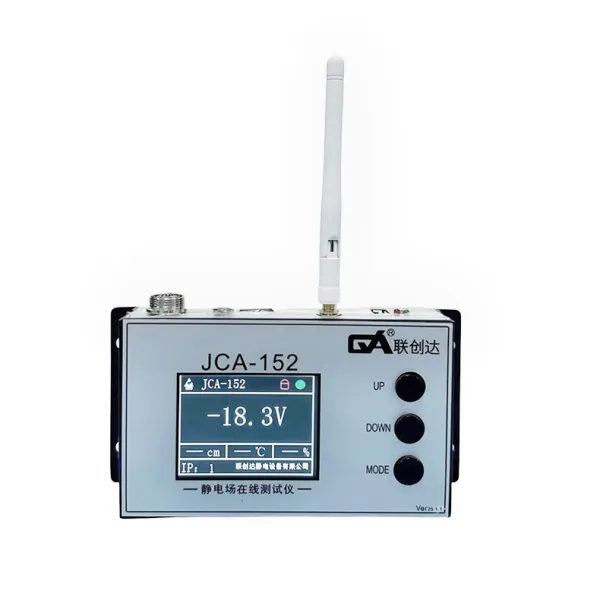 Wireless ESD Field Tester - Real-Time Voltage Monitoring, Easy Installation & Visual Operation
 Color Screen Wireless Ion Fan Static Tester with Voltage Measurement & Data Transmissio
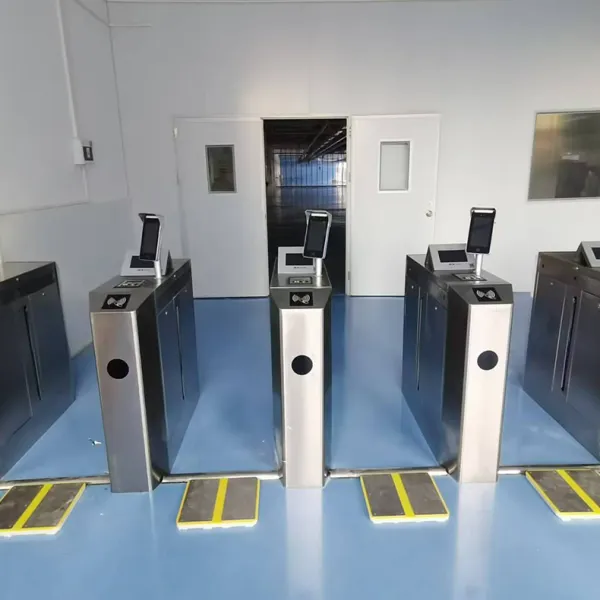 Lianchuangda Test Anti-static Access Control Turnstile JCA-S106 Supports MySQL Database
 Suspended 3-Head DC Ion Fan - Smart Quiet Static Eliminator, Customizable
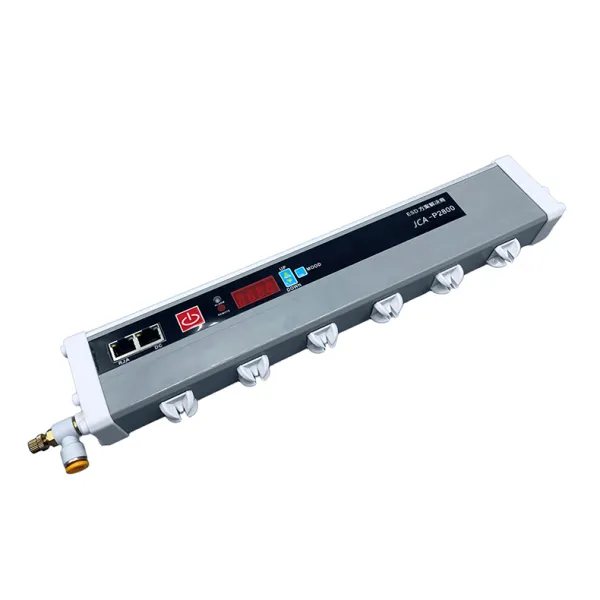 Pulse-Type ESD Ion Air Bar - Industrial-Specific Static Eliminator for ESD Removal
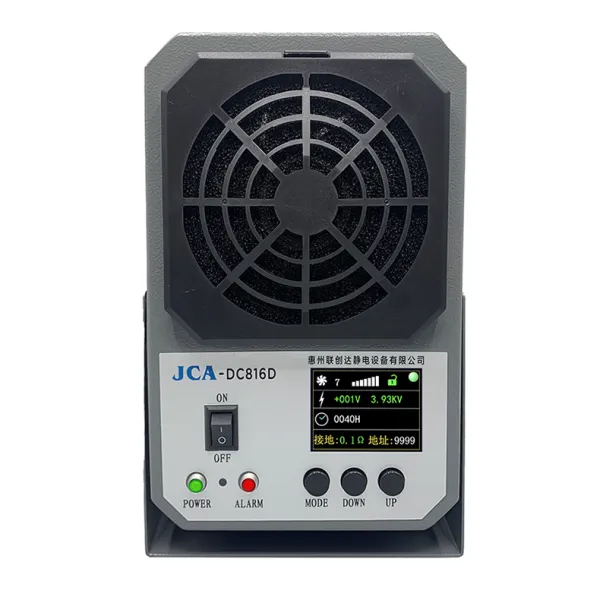 Lianchuangda Smart DC Ion Fan - Industrial-Grade Static Elimination for Factory Workshops
 Desktop DC Single-Head Ion Fan - Professional Static Eliminator with Wireless Network Connectivity
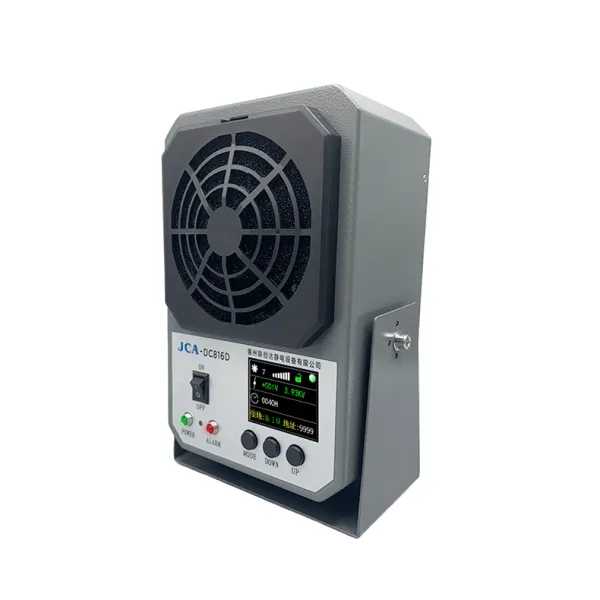 Intelligent DC Ion Fan Manufacturer Workshop Electronic Anti-Static Industrial-Grade Static Elimination Equipment
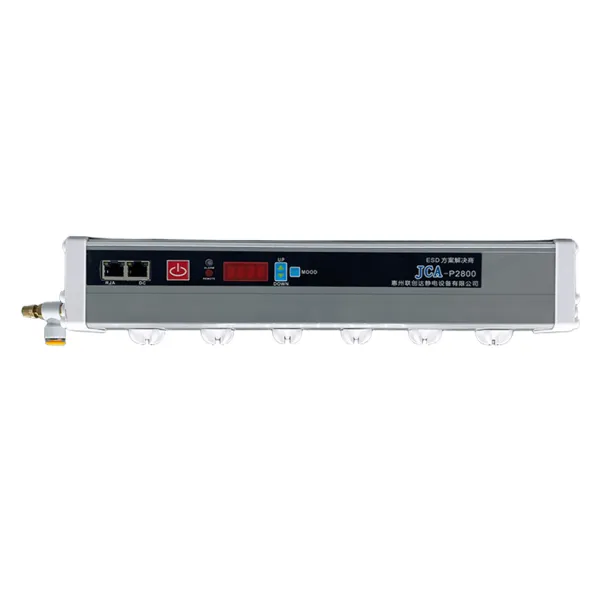 Industrial Static Elimination Pulse-type Anti-static Ion Air Bar Static Eliminator
 2.2-inch color screen three-air outlet ion fan static protection eliminates static electricity
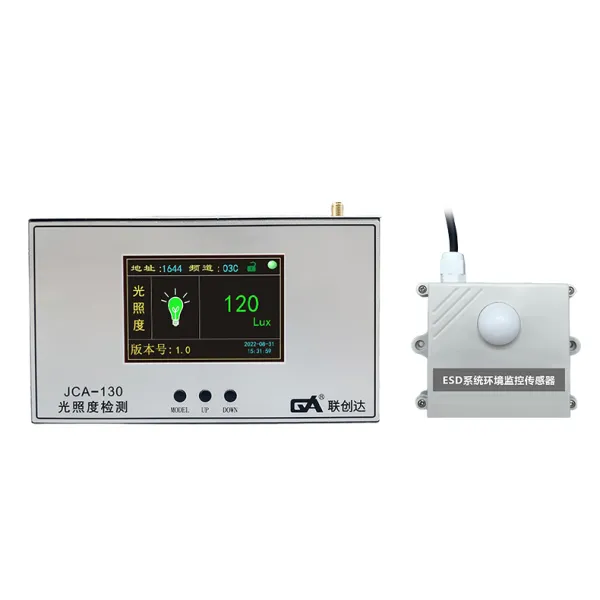 3.5 Inch Color LCD Wireless Digital Lux Meter - High-Precision Environmental Detector with Network Connectivity
 Smart Wireless Noise Detection Alarm System - Digital Tester for Environmental Monitoring with Networking
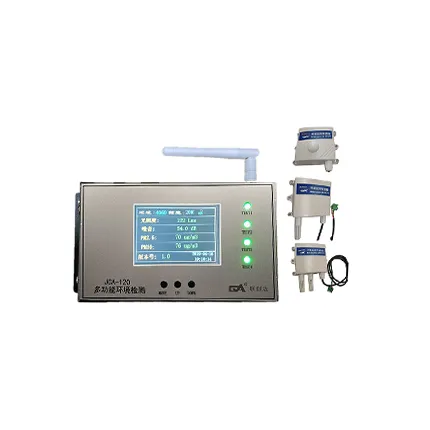 3.5 Inch Color LCD Wireless Multi-Functional Environmental Detector - Dust Particle Tester with WiFi Connectivity
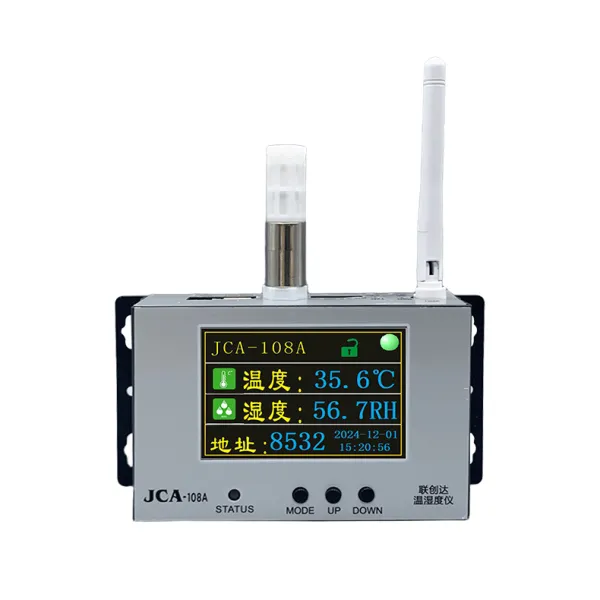 Wireless Temperature & Humidity Monitor - Smart Recorder with Remote Query & Data Transmission
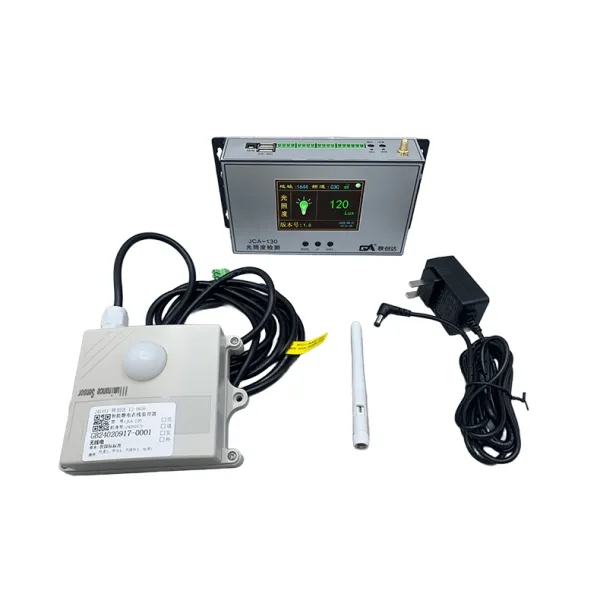 Lianchuangda Wireless Digital Display Illuminance Tester - 3.5-inch LCD Color Screen Dynamic Display High-Precision Environmental Tester



 왓츠앱
왓츠앱 핸드폰
핸드폰
논평
(0)