


 English
 Español
 Portugues
 Pусский
 Français
 Deutsch
 日本語
日本語 العربية
 Italiano
 Nederlands
 Polski
 ไทย
ไทย Türk dili
 हिन्दी
 Indonesia
 Melayu
 Tiếng Việt
 বাংলা
বাংলা


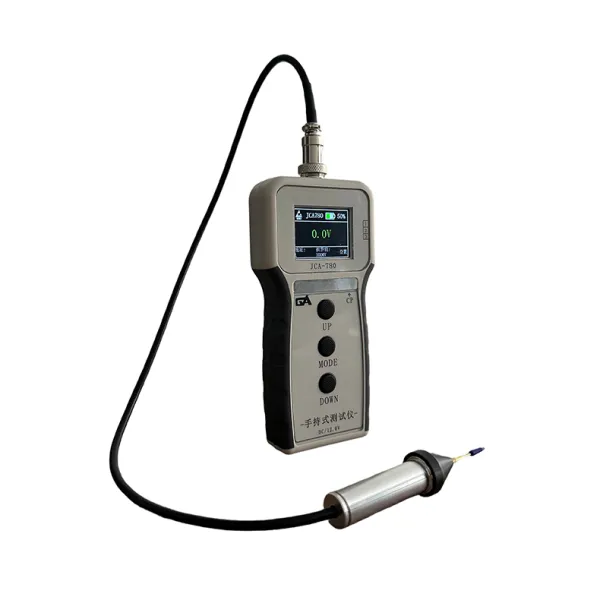


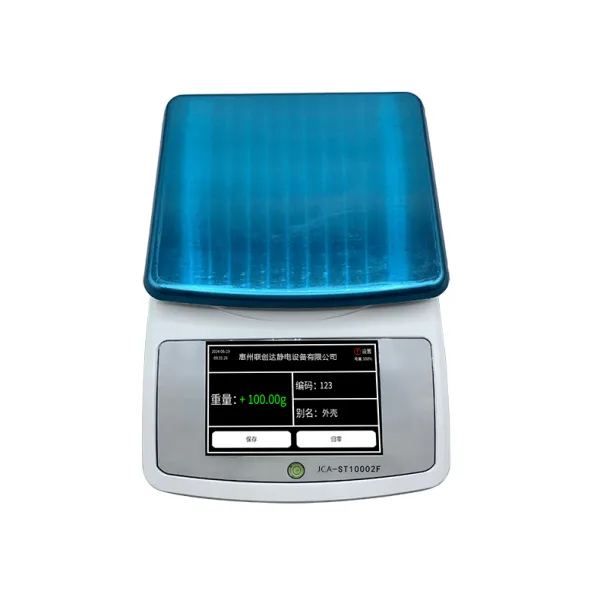
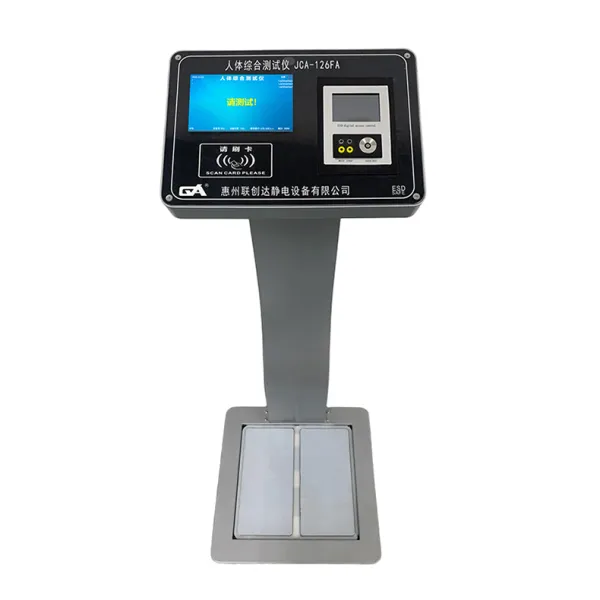
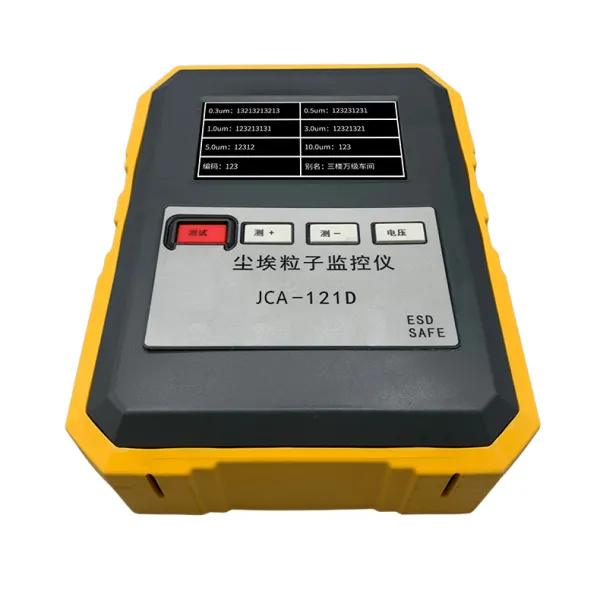
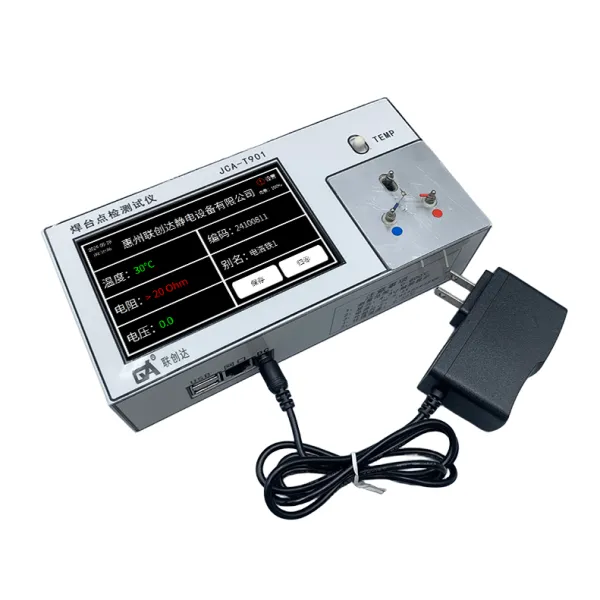
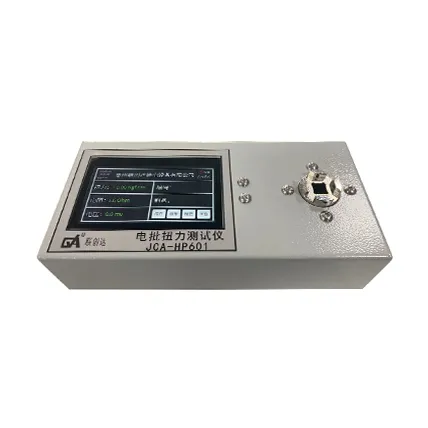
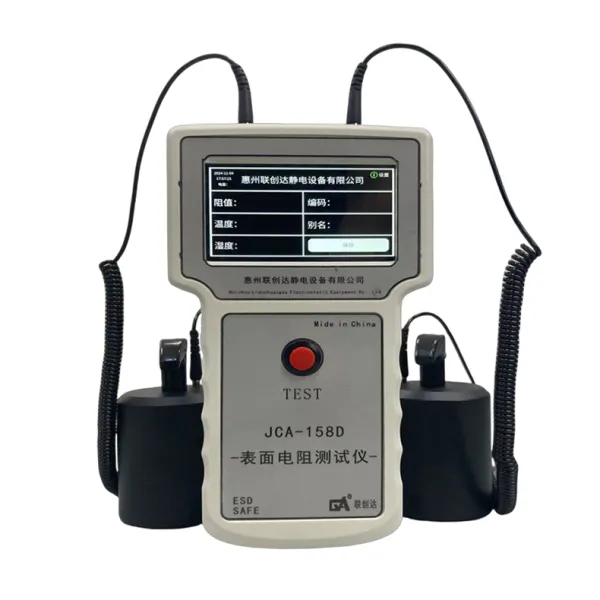
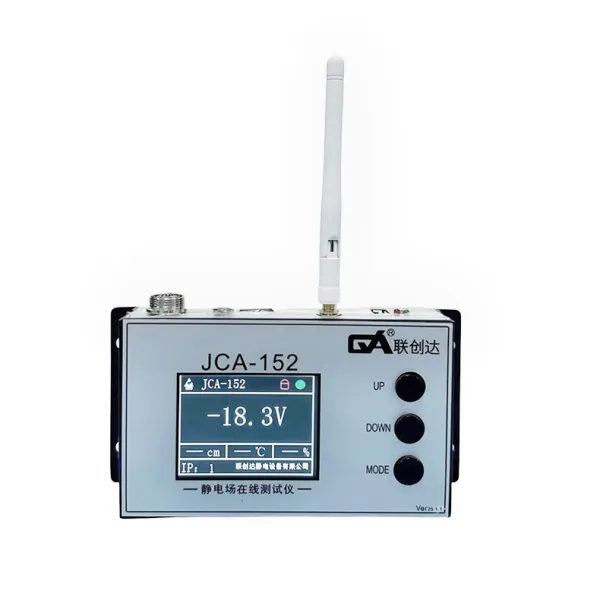







Surface resistance tester
Surface Resistance Tester: Overview and Applications A Surface Resistance Tester is an essential instrument used to measure the electrical resistance of a material's surface. This measurement is critical in industries where controlling static electricity is vital, such as electronics manufacturing, aerospace, automotive, and cleanroom environments. The tester helps ensure materials meet specific resistance standards, preventing electrostatic discharge (ESD) that could damage sensitive components or create safety hazards. How It Works The tester operates by applying a known voltage across the surface of a material and measuring the resulting current flow. Resistance is calculated using Ohm's Law (R = V/I), where R is resistance, V is voltage, and I is current. Surface resistance is typically expressed in ohms (Ω) or ohms per square (Ω/sq) for thin films. Most testers feature two or more electrodes (probes) placed on the material's surface. Some models use concentric ring electrodes for uniform measurements, while others employ parallel bars or point contacts. Advanced testers may include adjustable voltage settings to comply with industry standards like ANSI/ESD S20.20, IEC 61340, or ASTM D257. Key Features 1. Measurement Range – Capable of measuring resistances from 10³ Ω (conductive) to 10¹² Ω (insulative). 2. Portability – Handheld models allow for quick, on-site testing. 3. Data Logging – Some testers store readings for quality control documentation. 4. Automatic Ranging – Automatically selects the optimal measurement range. 5. Battery or AC-Powered – Flexible power options for lab or field use. Applications - ESD-Safe Workstations – Verifies that anti-static mats, flooring, and garments meet required resistance levels. - Electronics Manufacturing – Ensures PCBs, packaging, and components do not accumulate static charges. - Aerospace & Automotive – Tests coatings and composites for static dissipation properties. - Medical & Cleanrooms – Monitors surfaces to prevent contamination from static attraction. Best Practices - Calibration – Regular calibration ensures accuracy. - Environmental Conditions – Humidity and temperature affect readings; controlled testing is recommended. - Surface Preparation – Clean, dry surfaces yield reliable results. Conclusion A Surface Resistance Tester is a crucial tool for maintaining ESD safety and material performance. By providing precise resistance measurements, it helps industries comply with standards, enhance product reliability, and minimize electrostatic risks. Whether in manufacturing, research, or quality control, this device plays a vital role in ensuring surface conductivity or insulation meets specifications.
제품
범주:
검색 결과가 없습니다!
뉴스
범주:
-
[Technical knowledge]Electrostatic Tester Comparison: Finding the Right Tool for...
2025-11-12 15:19:07
케이스
범주:
검색 결과가 없습니다!
비디오
범주:
검색 결과가 없습니다!
다운로드
범주:
검색 결과가 없습니다!
모집
범주:
검색 결과가 없습니다!
추천 제품
검색 결과가 없습니다!



 왓츠앱
왓츠앱 핸드폰
핸드폰