


 English
 Español
 Portugues
 Pусский
 Français
 Deutsch
 日本語
日本語 العربية
 Italiano
 Nederlands
 Polski
 ไทย
ไทย Türk dili
 हिन्दी
 Indonesia
 Melayu
 Tiếng Việt
 বাংলা
বাংলা


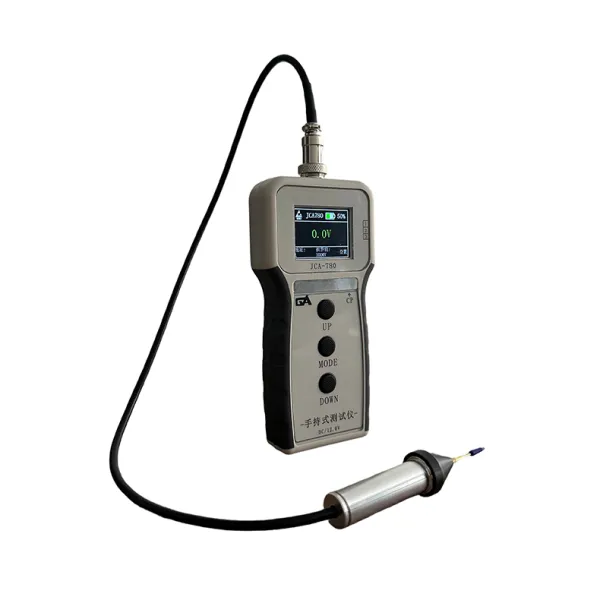


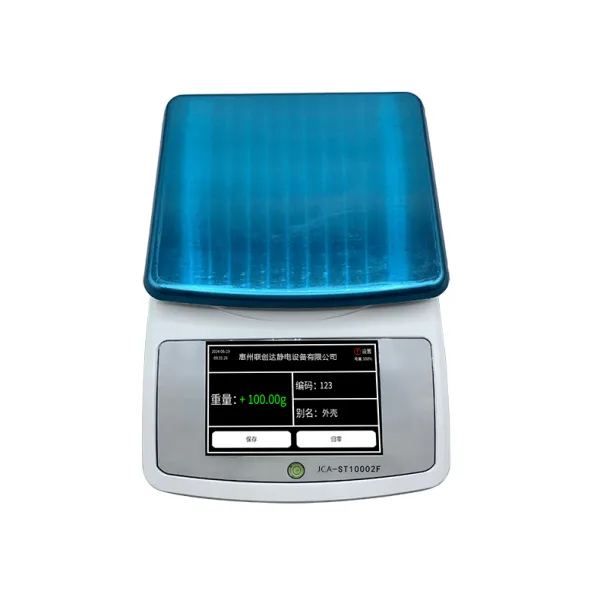
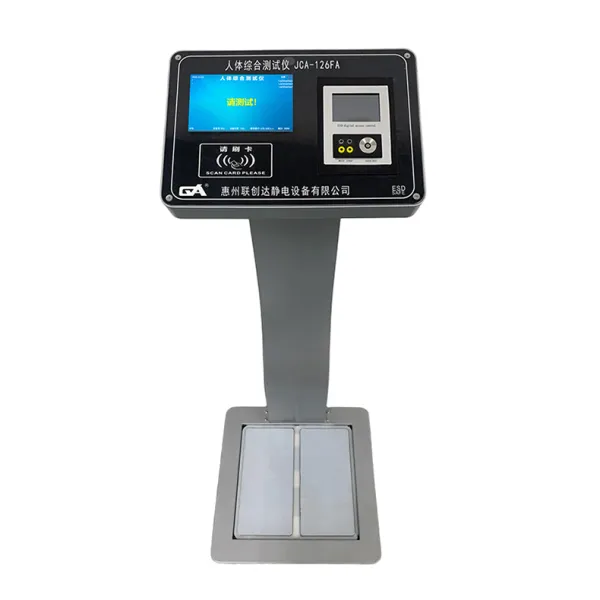
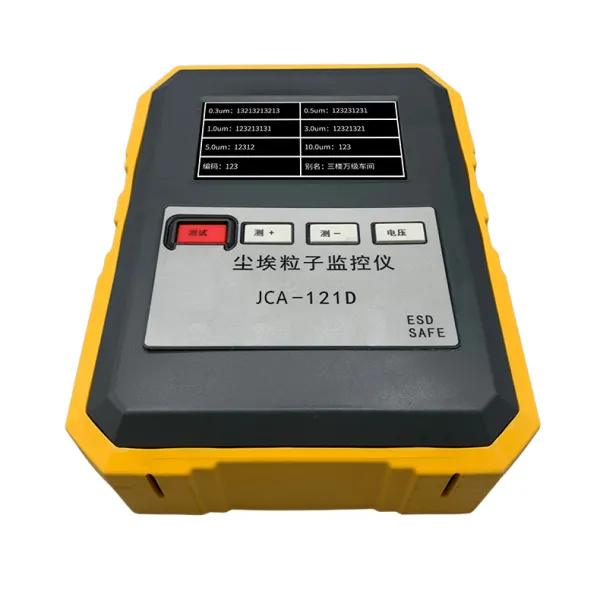
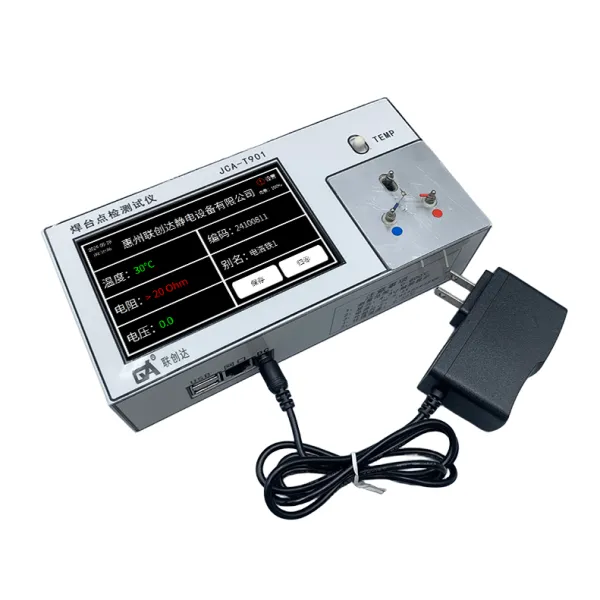
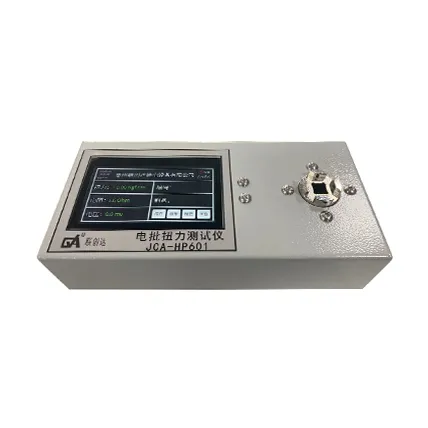
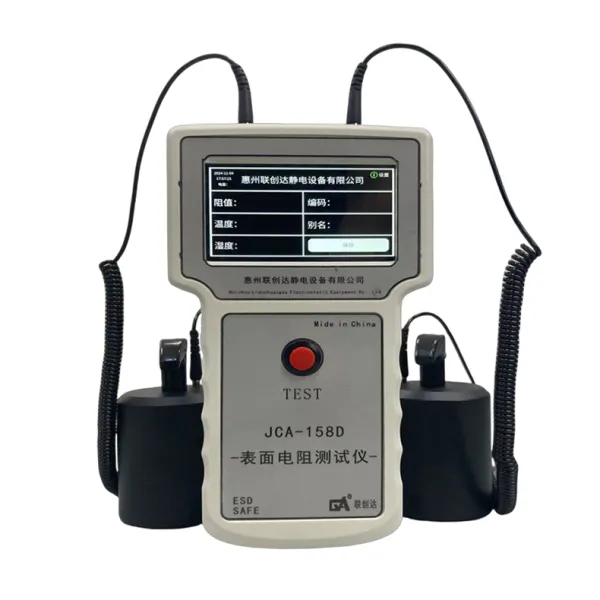
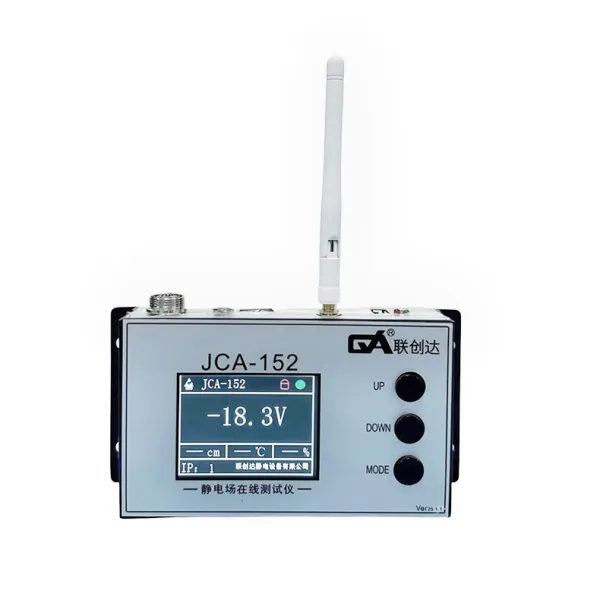







urface Resistance Tester
Surface Resistance Tester A Surface Resistance Tester is an essential instrument used to measure the electrical resistance of a material's surface. It is widely applied in industries where controlling static electricity is critical, such as electronics manufacturing, aerospace, cleanrooms, and packaging. The device helps ensure that materials meet required resistance standards to prevent electrostatic discharge (ESD), which can damage sensitive components or create safety hazards. Working Principle The tester operates by applying a known voltage to the material's surface and measuring the resulting current. Using Ohm's Law (R = V/I), it calculates the surface resistance, typically expressed in ohms (Ω) or ohms per square (Ω/sq). Some testers also measure surface resistivity, which is a material property independent of size, while surface resistance depends on the electrode configuration and sample dimensions. Key Features 1. Measurement Range – High-quality testers cover a broad range, from 10³ Ω (conductive materials) to 10¹² Ω (insulative materials). 2. Electrode Configuration – Common setups include concentric ring electrodes or parallel bar electrodes, following standards like ASTM D257 or IEC 61340. 3. Portable & Benchtop Models – Handheld testers are ideal for fieldwork, while benchtop versions offer higher precision for lab environments. 4. Built-in Calibration – Ensures accuracy by compensating for environmental factors like humidity and temperature. 5. Data Logging & Connectivity – Advanced models store readings and support USB/Bluetooth for data transfer. Applications - ESD-Protected Workstations – Verifies that anti-static mats, flooring, and garments meet safety thresholds. - Electronics Manufacturing – Ensures PCB substrates, coatings, and packaging materials dissipate static safely. - Aerospace & Automotive – Tests composites and paints to avoid static buildup in sensitive environments. - Medical & Cleanrooms – Monitors static control in sterile production areas. Usage Considerations - Surface Cleanliness – Contaminants (dust, oils) can distort readings. - Environmental Conditions – High humidity lowers resistance; low humidity increases it. - Contact Pressure – Electrodes must maintain consistent contact for reliable results. Conclusion A Surface Resistance Tester is a vital tool for quality control in static-sensitive industries. By ensuring materials have the correct resistance, it prevents ESD-related failures and enhances product reliability. Selecting the right tester depends on the application, required accuracy, and compliance with industry standards.
제품
범주:
-
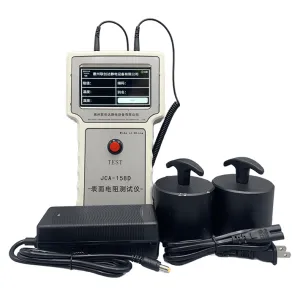
Heavy Hammer Surface Resistance Tester A High-Precision, Portable Instrument for Testing Insulating Surface Resistance
분류: Instrument detection조회수: 10번호:릴리스 시간: 2025-11-13 14:30:06Meta Description: The JCA-158D digital hammer-type surface resistance tester delivers high-accuracy measurements for ESD control & insulation testing. Features auto-ranging, built-in temp/humidity sensor, and dual 10V/100V test voltages. Ideal for QA, manufacturing, and compliance.Product OverviewThe JCA-158D Hammer-Type Surface Resistance Tester is a state-of-the-art, portable instrument designed for precise and reliable surface resistance and insulation resistance measurements. Integrating a high-resolution digital display and a precision digital temperature and humidity sensor, it...
뉴스
범주:
검색 결과가 없습니다!
케이스
범주:
검색 결과가 없습니다!
비디오
범주:
검색 결과가 없습니다!
다운로드
범주:
검색 결과가 없습니다!
모집
범주:
검색 결과가 없습니다!
추천 제품
검색 결과가 없습니다!



 왓츠앱
왓츠앱 핸드폰
핸드폰