


 English
 Español
 Portugues
 Pусский
 Français
 Deutsch
 日本語
日本語 العربية
 Italiano
 Nederlands
 Polski
 ไทย
ไทย Türk dili
 हिन्दी
 Indonesia
 Melayu
 Tiếng Việt
 বাংলা
বাংলা






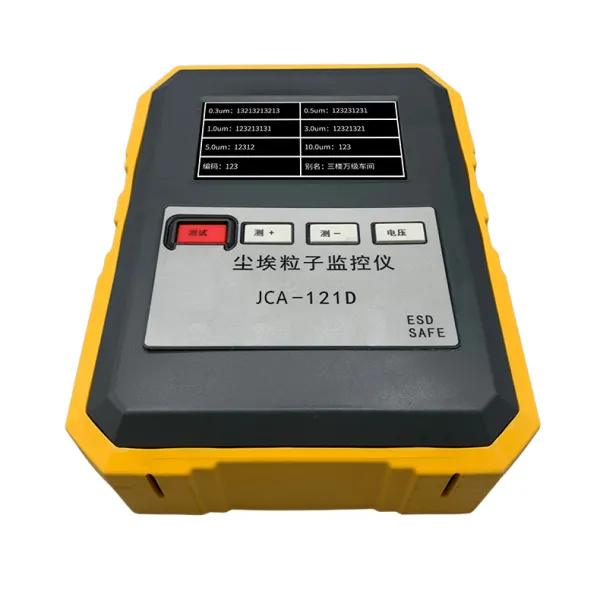
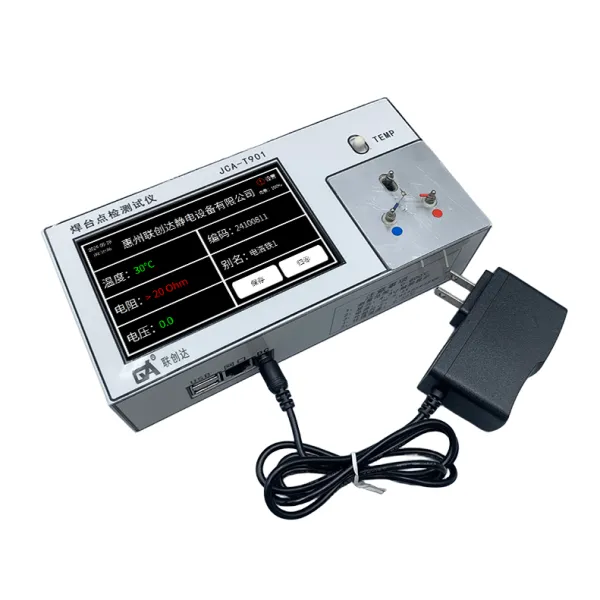
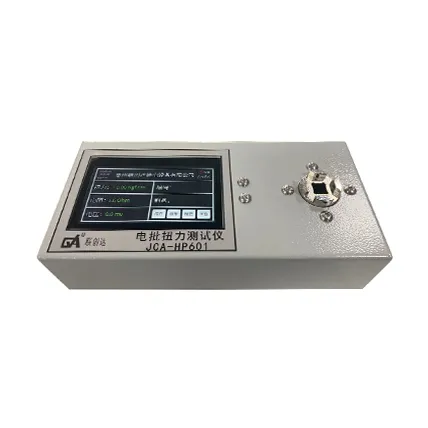
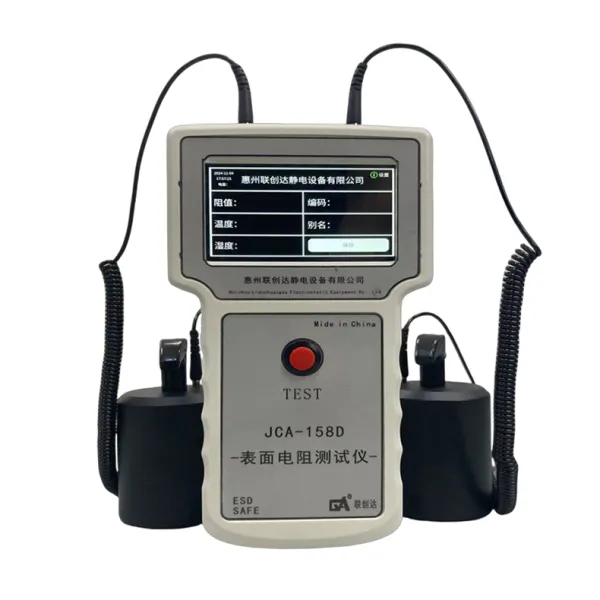
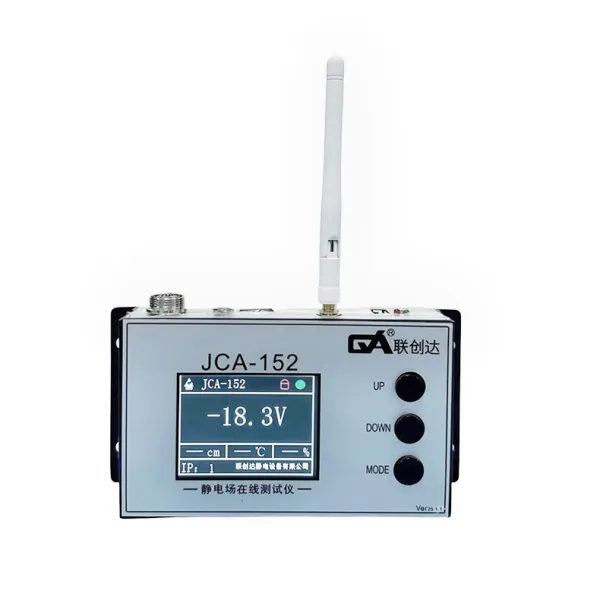



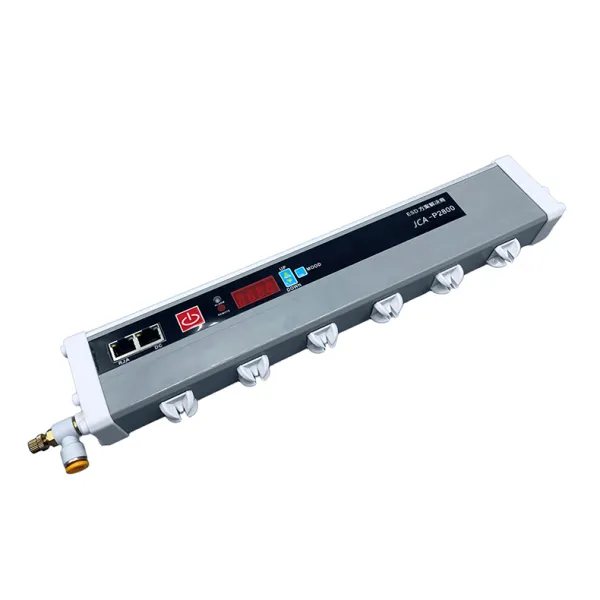
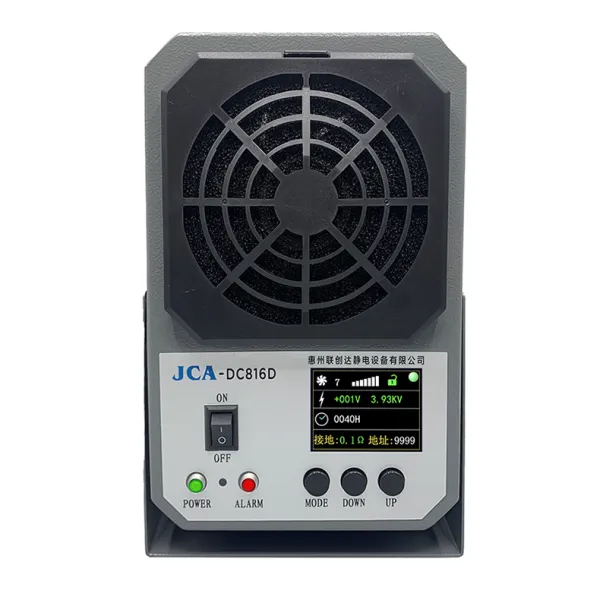

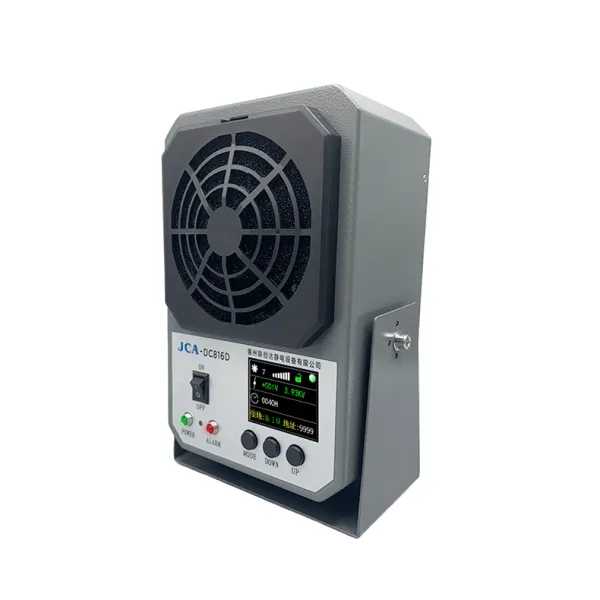
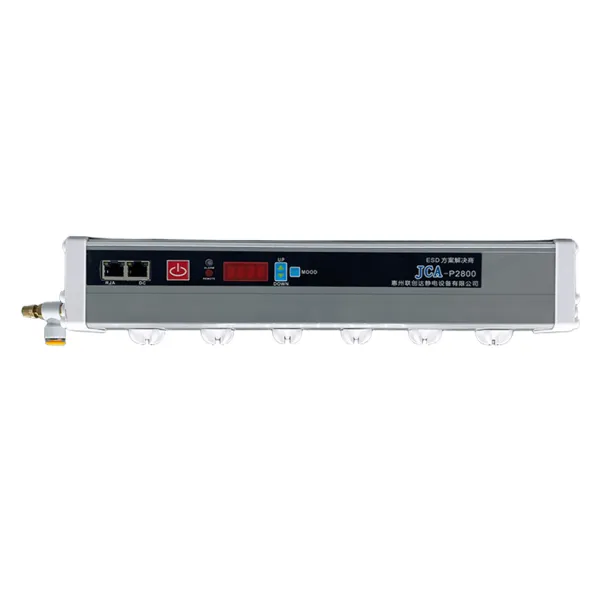

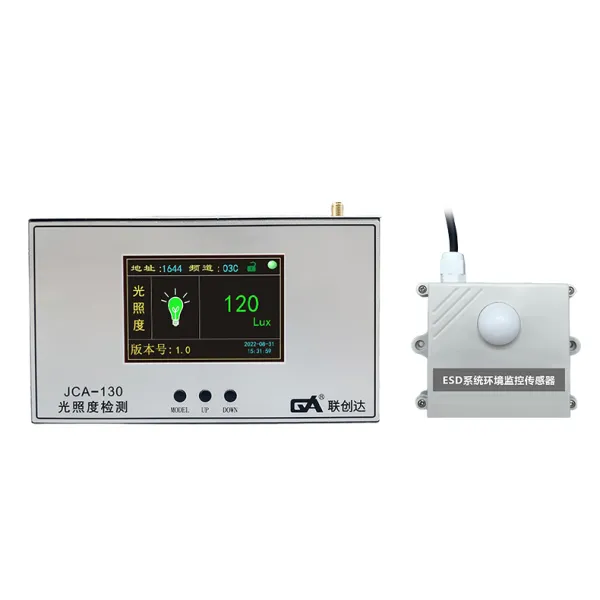

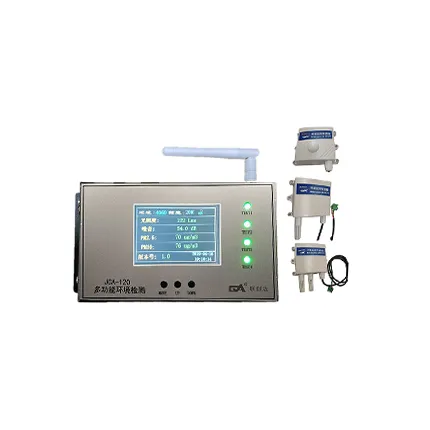
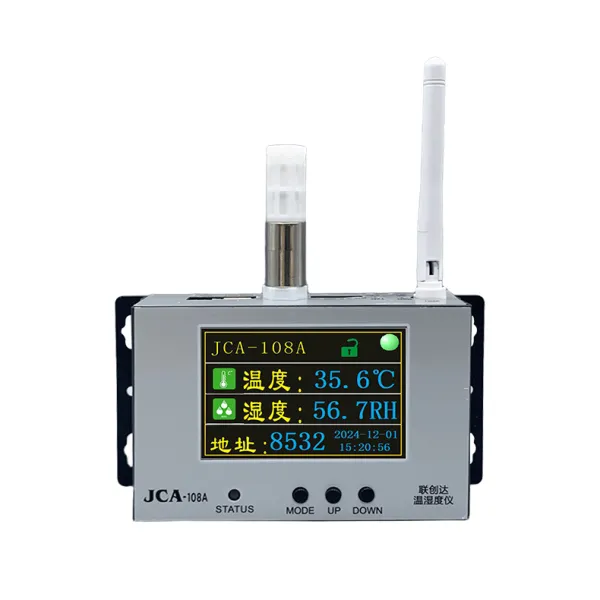
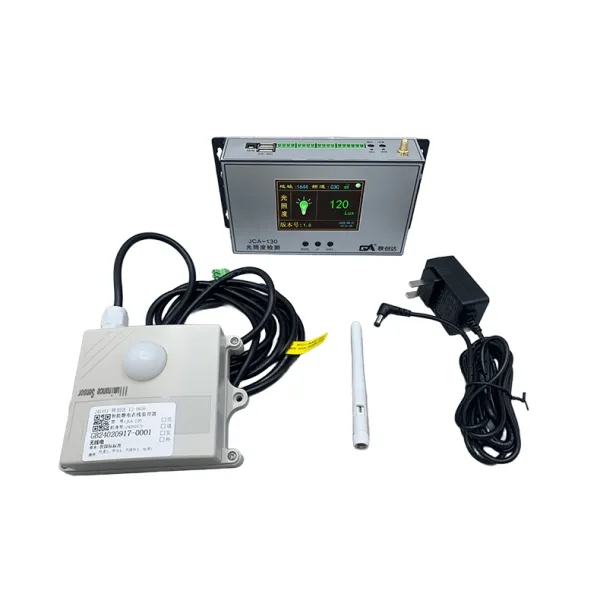


Static Tester
Static Testing: An Overview Static testing is a software testing technique that involves examining code, documentation, or other project artifacts without executing the program. Unlike dynamic testing, which requires running the software, static testing focuses on identifying defects early in the development lifecycle by analyzing the structure, logic, and design of the software. This approach helps detect issues such as syntax errors, coding standards violations, security vulnerabilities, and design flaws before they propagate into later stages. Key Techniques in Static Testing 1. Code Reviews – Developers manually inspect source code to identify errors, inefficiencies, or deviations from best practices. Peer reviews and walkthroughs are common methods. 2. Static Analysis Tools – Automated tools scan code for potential bugs, security risks, or compliance issues. These tools can detect memory leaks, unused variables, or unsafe coding patterns. 3. Documentation Review – Requirements, design documents, and test cases are examined for clarity, completeness, and consistency to prevent misunderstandings in implementation. 4. Inspection Meetings – Formal sessions where stakeholders analyze documents or code in detail, often led by a moderator to ensure thorough examination. Benefits of Static Testing - Early Defect Detection – Finding issues at the initial stages reduces the cost and effort of fixing them later. - Improved Code Quality – Ensures adherence to coding standards and best practices, leading to more maintainable software. - Enhanced Security – Identifies vulnerabilities like SQL injection or buffer overflows before deployment. - Reduced Testing Effort – Catching defects early minimizes the need for extensive dynamic testing. Challenges - Requires skilled reviewers familiar with the codebase and domain. - Automated tools may generate false positives, requiring manual validation. - Can be time-consuming if not integrated efficiently into the development process. Conclusion Static testing is a critical component of software quality assurance, enabling teams to detect and resolve defects before they escalate. By combining manual reviews with automated analysis, organizations can enhance software reliability, security, and maintainability while optimizing development costs. Integrating static testing into the CI/CD pipeline ensures continuous improvement in software quality.
제품
범주:
-
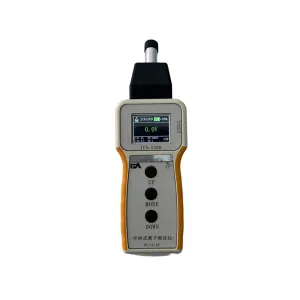
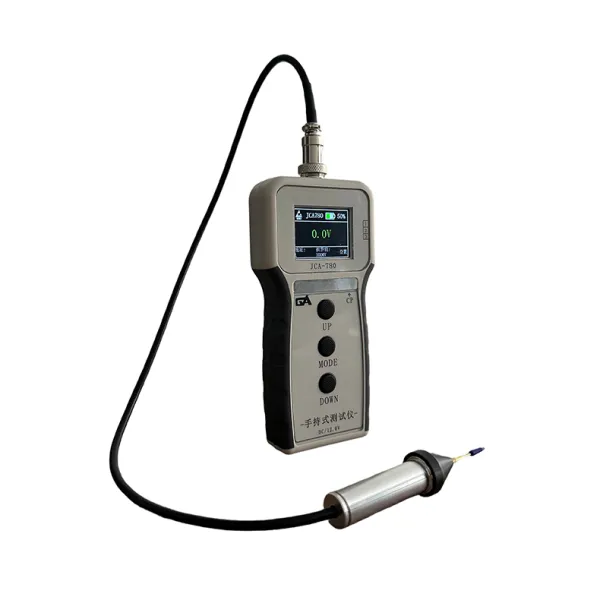
Touch-Operated Handheld ESD Tester - Accurate Static Detection Instrument
분류: Instrument detection조회수: 24번호:릴리스 시간: 2025-11-11 18:03:44FeaturesHandheld non-contact measurement of object surface voltage.Measurement accuracy: within the entire probe-to-surface distance range of 5 mm to 250 mm, the full-scale error is ±5%.Uses a USB-powered rechargeable battery; a full charge provides approximately 6-8 hours of use.Supports functions such as parameter setting and mode setting.Parameter setting functions: including administrator setting of early warning values and alarm thresholds; when thresholds are exceeded, the alarm text is displayed in a highlighted format.Product InformationParameter ItemContentProduct NameHandheld Non-con...
뉴스
범주:
검색 결과가 없습니다!
케이스
범주:
검색 결과가 없습니다!
비디오
범주:
검색 결과가 없습니다!
다운로드
범주:
검색 결과가 없습니다!
모집
범주:
검색 결과가 없습니다!



 왓츠앱
왓츠앱 핸드폰
핸드폰