


 English
 Español
 Portugues
 Pусский
 Français
 Deutsch
 日本語
日本語 العربية
 Italiano
 Nederlands
 Polski
 ไทย
ไทย Türk dili
 हिन्दी
 Indonesia
 Melayu
 Tiếng Việt
 বাংলা
বাংলা







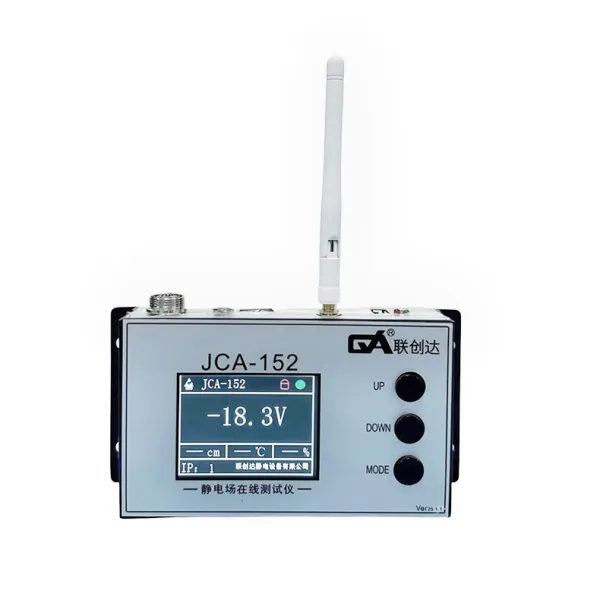

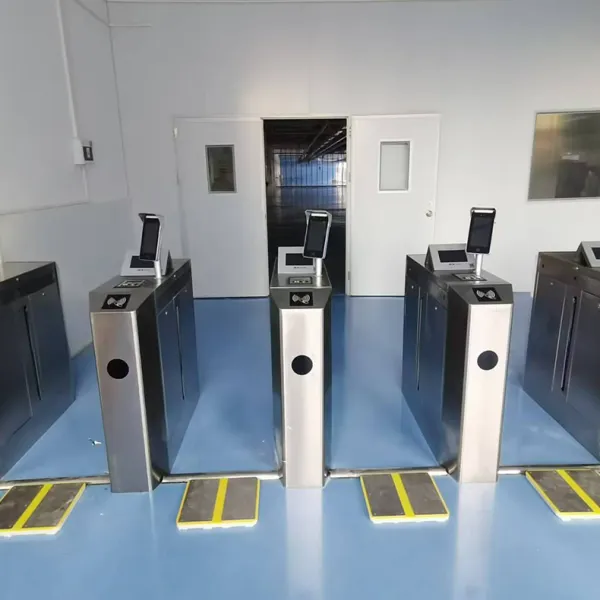

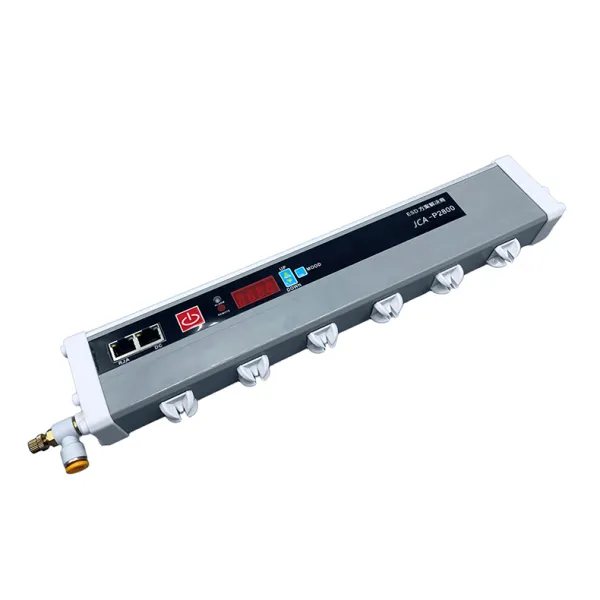
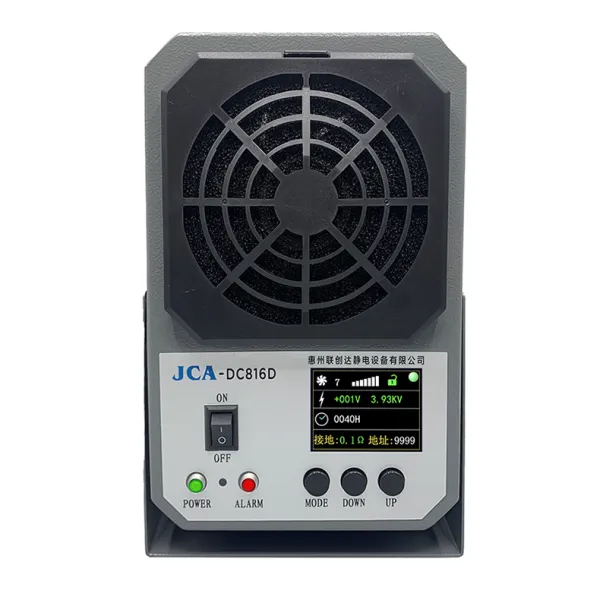





static control
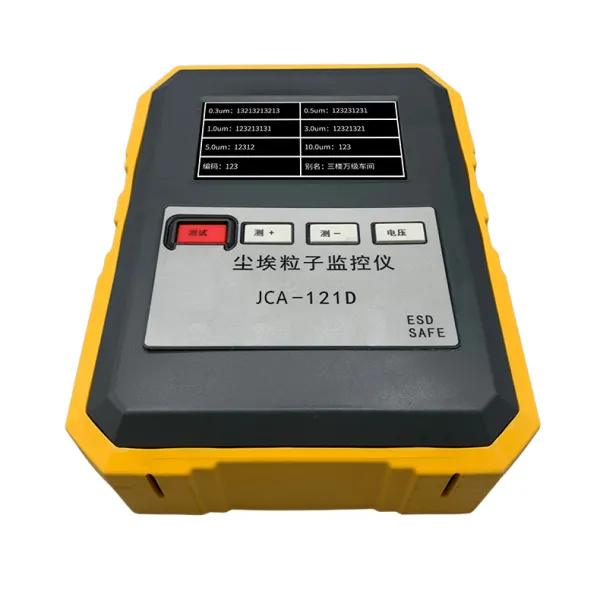
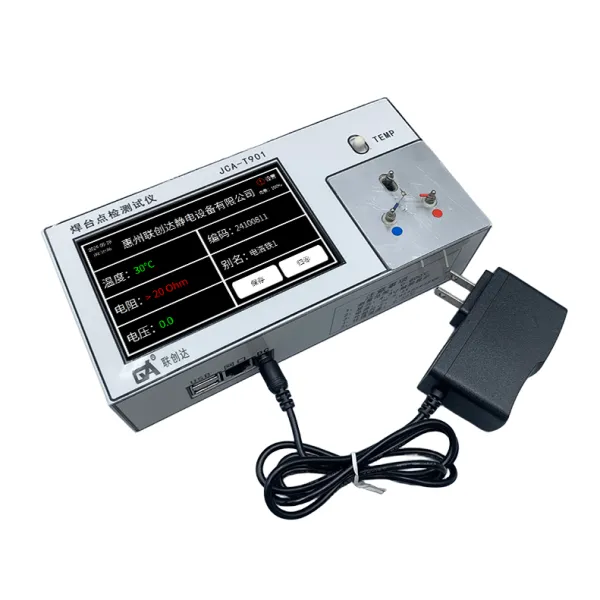
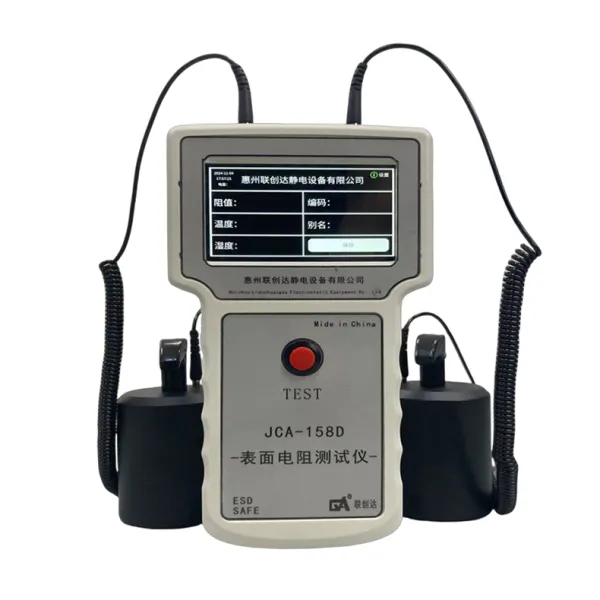
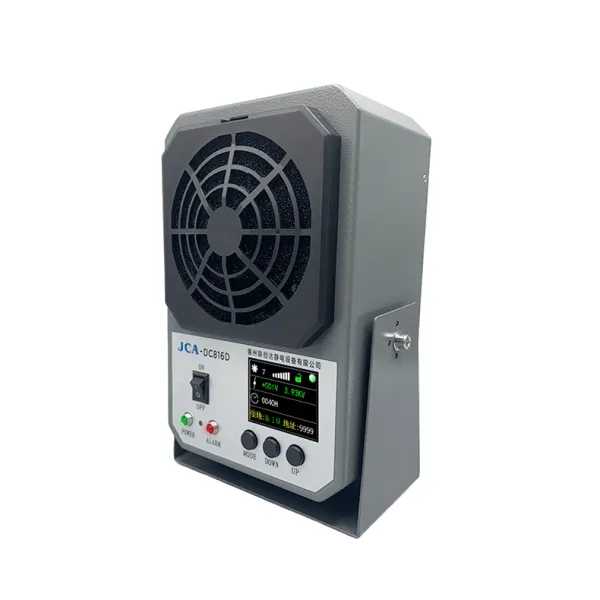
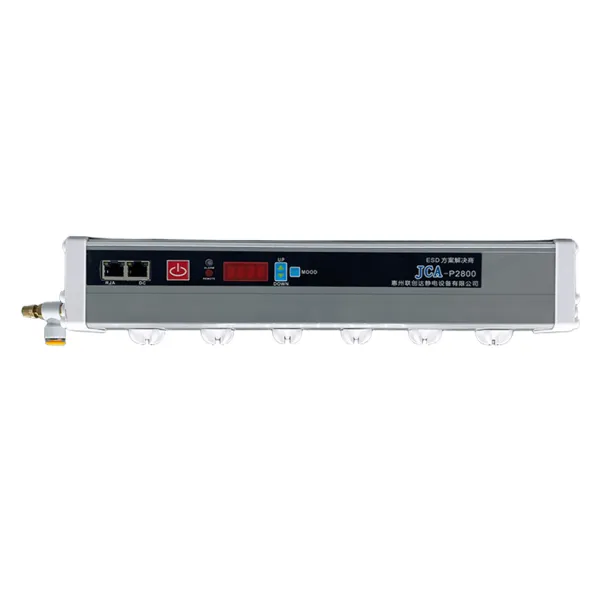
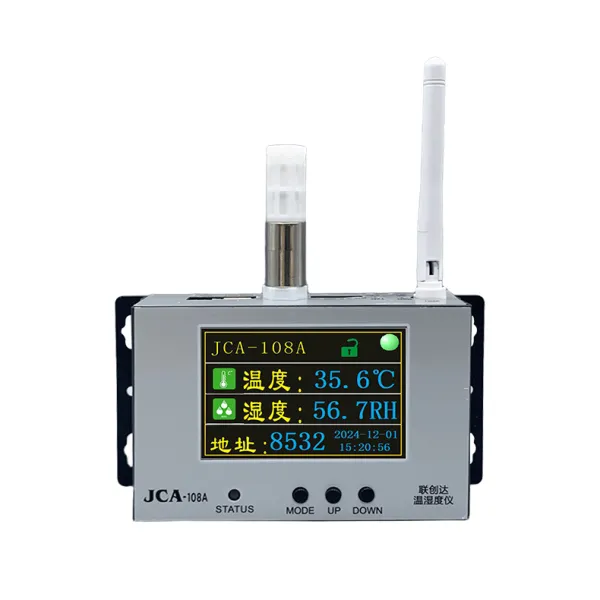
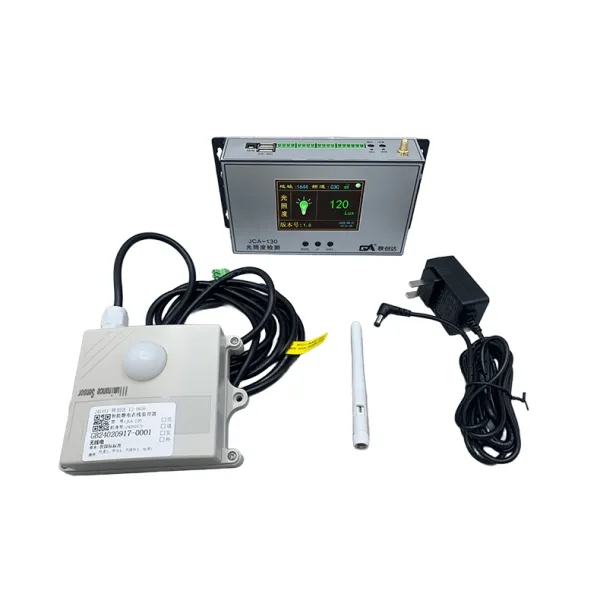
Static Control in Modern Technology Static control is a critical aspect of maintaining the reliability and longevity of electronic components, industrial processes, and sensitive environments. It involves managing electrostatic discharge (ESD), which occurs when an imbalance of electric charges builds up on surfaces and suddenly flows between objects. If left uncontrolled, static electricity can damage sensitive electronics, disrupt manufacturing processes, or even pose safety hazards in flammable environments. Sources and Effects of Static Electricity Static electricity is generated through friction, separation, or induction—common in everyday activities like walking on carpets, handling plastic materials, or operating machinery. In industrial settings, conveyor belts, packaging materials, and high-speed processes often contribute to charge accumulation. The effects range from minor nuisances, such as dust attraction, to severe consequences like component failure in semiconductors, data corruption in storage devices, or sparks in explosive atmospheres. Static Control Techniques Effective static control relies on a combination of prevention, dissipation, and monitoring: 1. Grounding and Bonding – Connecting conductive materials to the earth or a common ground point neutralizes charges. Workers in electronics manufacturing often wear grounded wrist straps or footwear to prevent ESD. 2. Antistatic Materials – Using conductive or dissipative materials (e.g., carbon-loaded plastics or rubber) helps reduce charge buildup. Antistatic bags, flooring, and coatings are widely employed. 3. Humidity Control – Maintaining optimal humidity levels (40-60% RH) minimizes static generation, as moisture in the air enhances surface conductivity. 4. Ionization – Air ionizers neutralize static charges on insulating materials (e.g., plastics) by emitting balanced positive and negative ions. 5. ESD-Safe Workstations – These include grounded mats, shielded tools, and controlled environments to protect sensitive components during assembly or handling. Applications and Importance Static control is vital in industries like electronics manufacturing, pharmaceuticals, printing, and cleanrooms. In microelectronics, even a tiny discharge can destroy integrated circuits. In printing, static causes paper jams or ink misalignment. Proper static management ensures product quality, operational efficiency, and workplace safety. Conclusion By integrating grounding systems, antistatic materials, and environmental controls, industries can mitigate static-related risks. Continuous training and adherence to standards (e.g., ANSI/ESD S20.20) further enhance static control practices. As technology advances, the demand for robust static management will grow, ensuring the protection of delicate devices and processes in an increasingly electrified world.
제품
범주:
검색 결과가 없습니다!
뉴스
검색 결과가 없습니다!
케이스
범주:
검색 결과가 없습니다!
비디오
범주:
검색 결과가 없습니다!
다운로드
범주:
검색 결과가 없습니다!
모집
범주:
검색 결과가 없습니다!
추천 제품
검색 결과가 없습니다!



 왓츠앱
왓츠앱 핸드폰
핸드폰