


 English
 Español
 Portugues
 Pусский
 Français
 Deutsch
 日本語
日本語 العربية
 Italiano
 Nederlands
 Polski
 ไทย
ไทย Türk dili
 हिन्दी
 Indonesia
 Melayu
 Tiếng Việt
 বাংলা
বাংলা


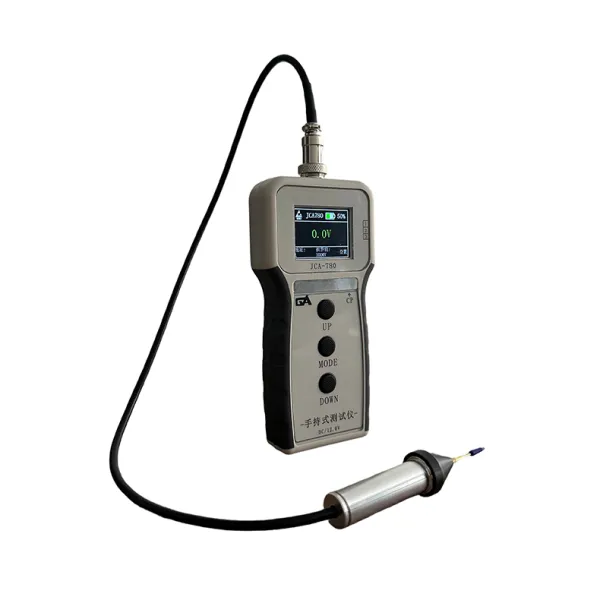


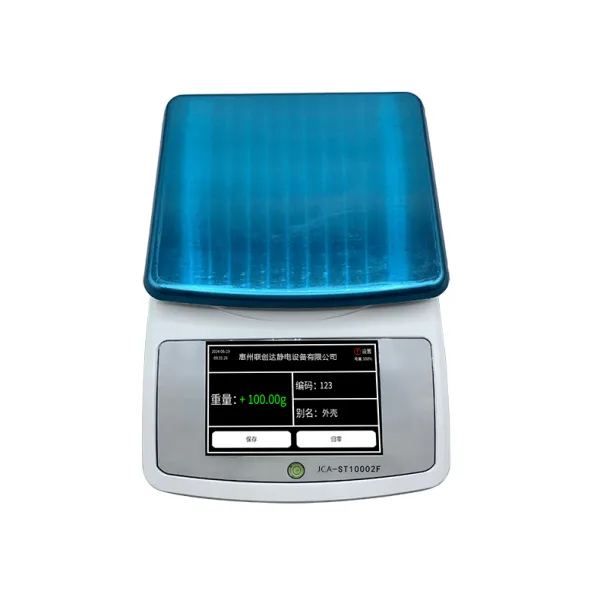
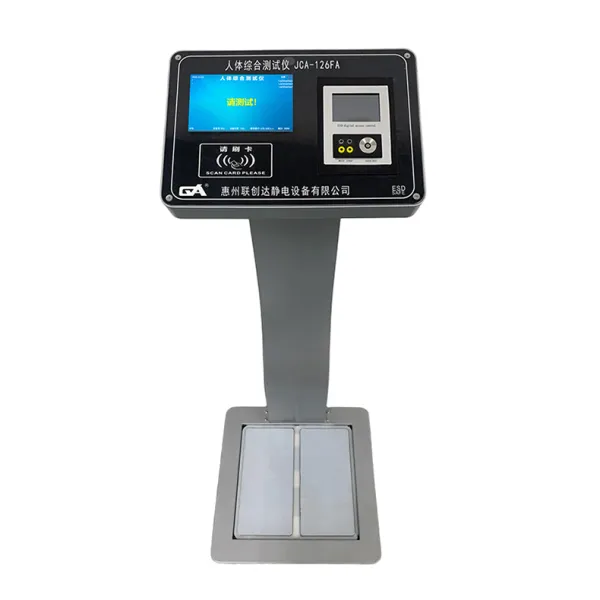
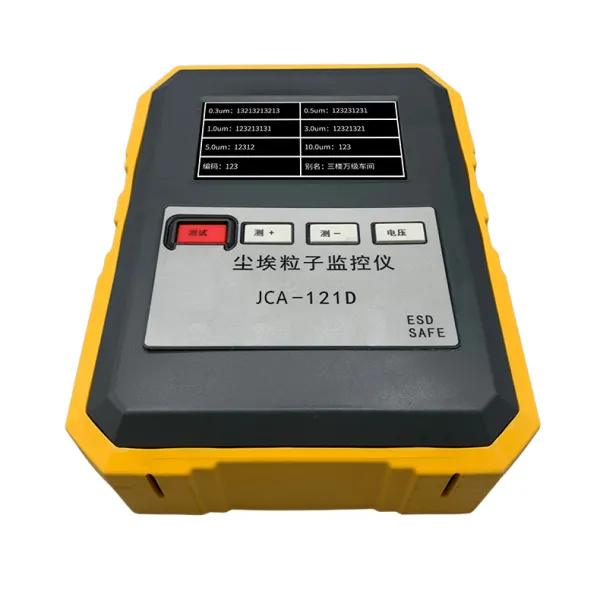
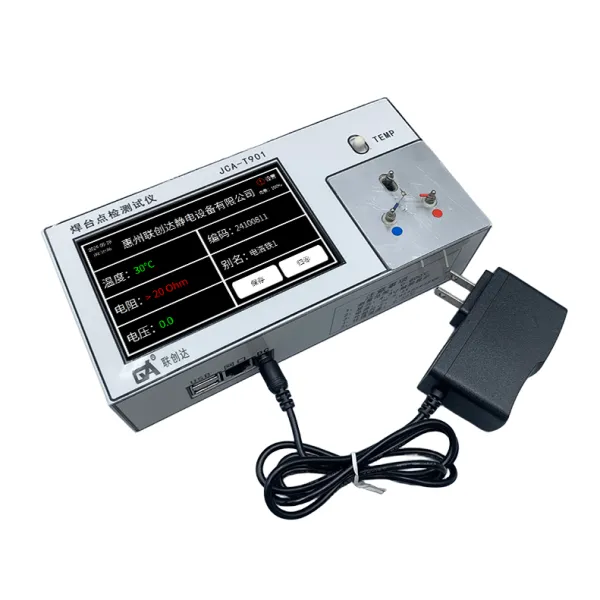
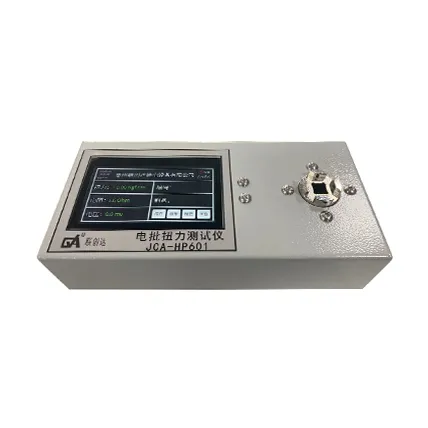
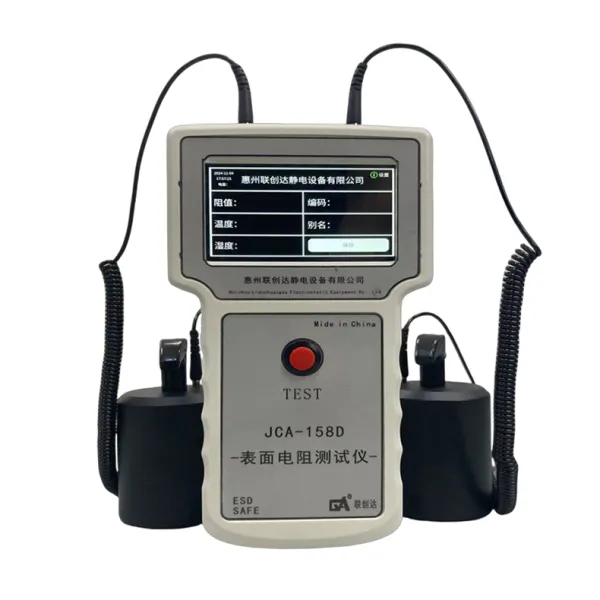
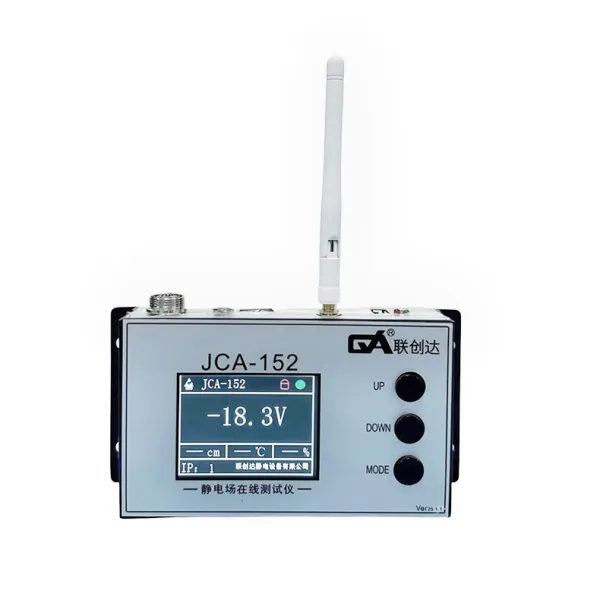

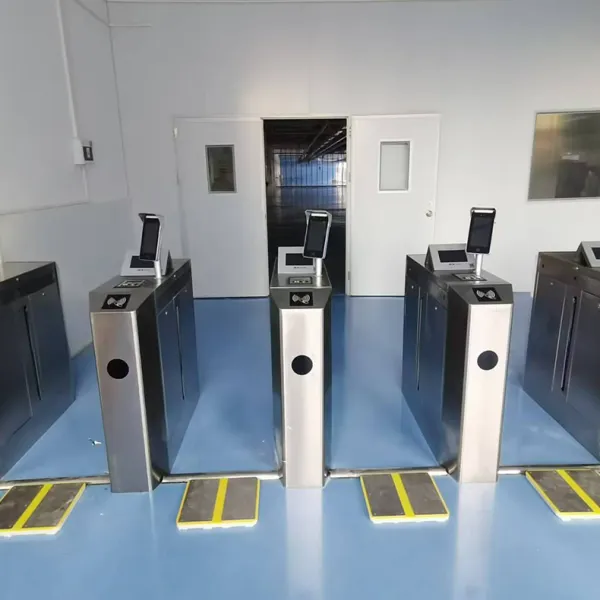

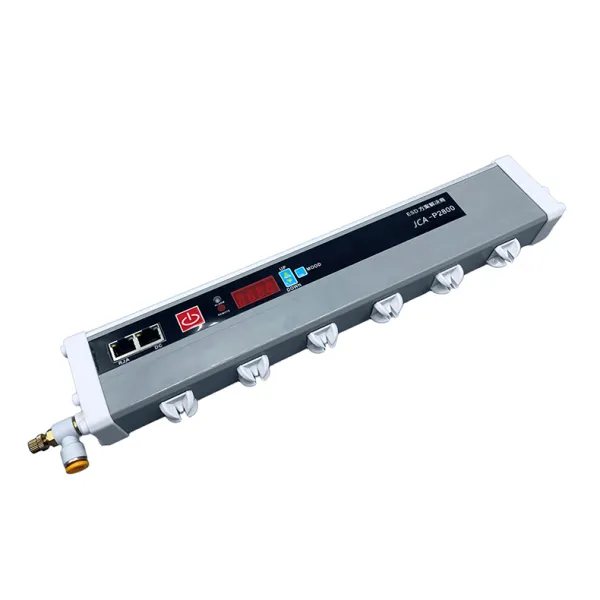
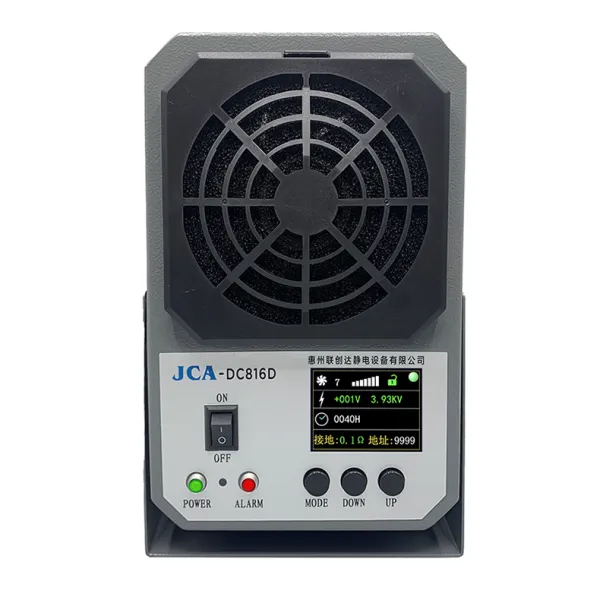

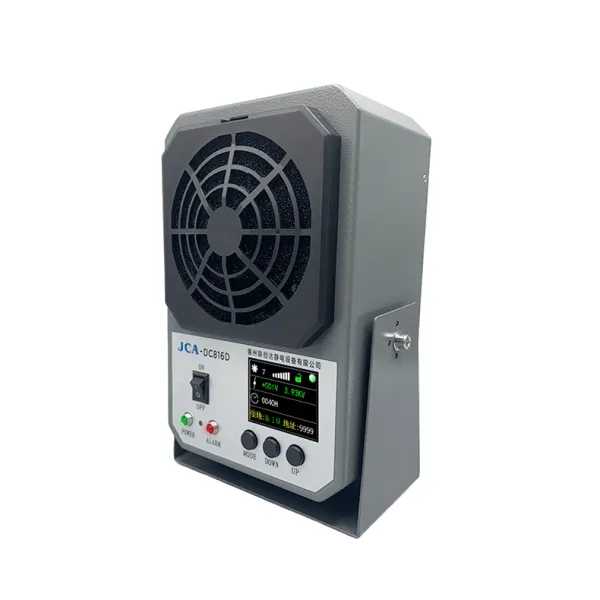
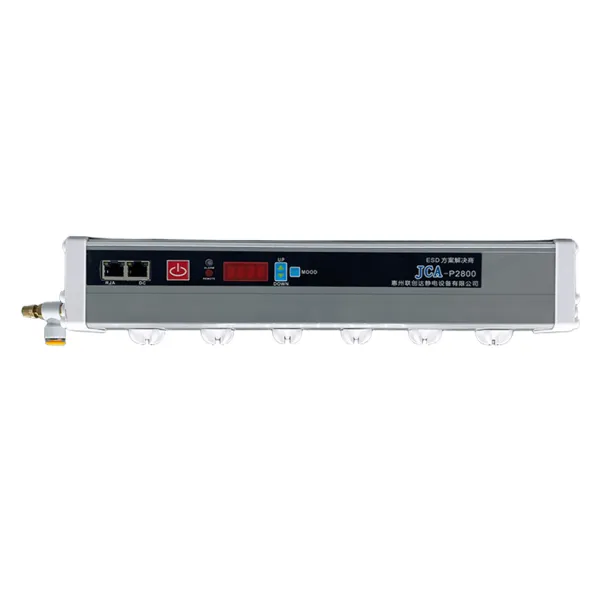

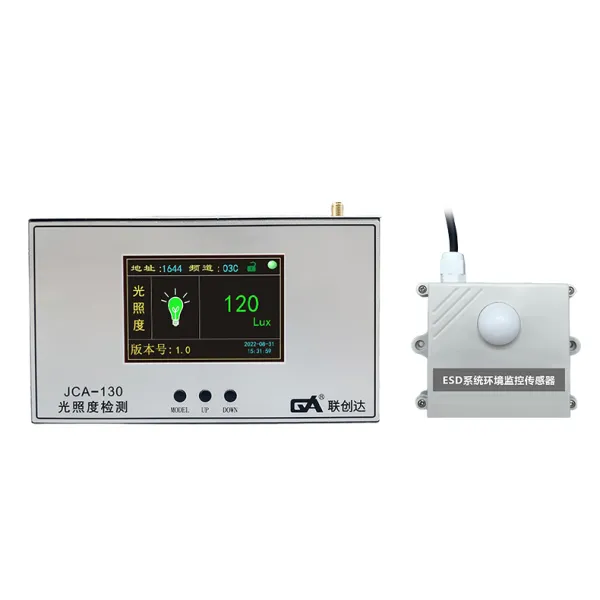

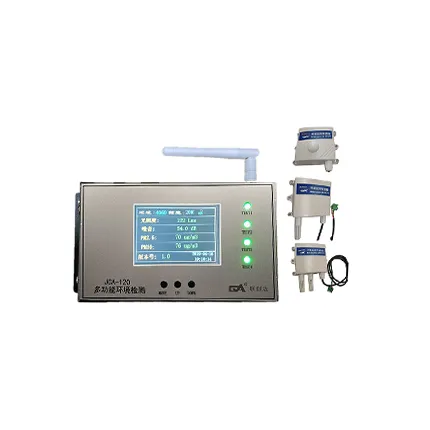
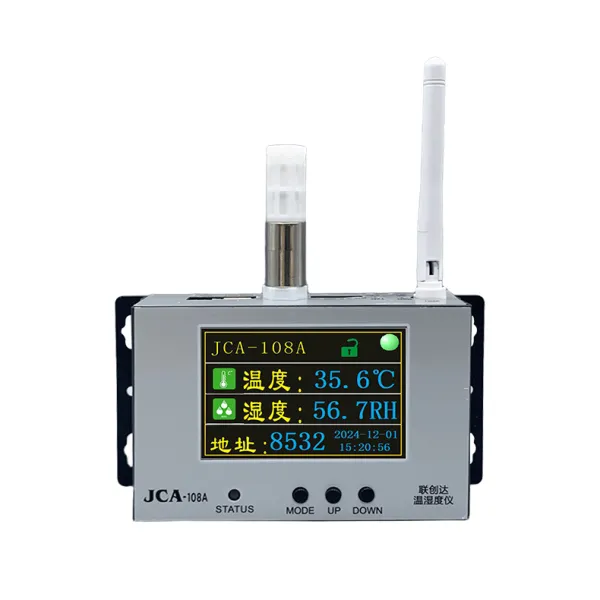
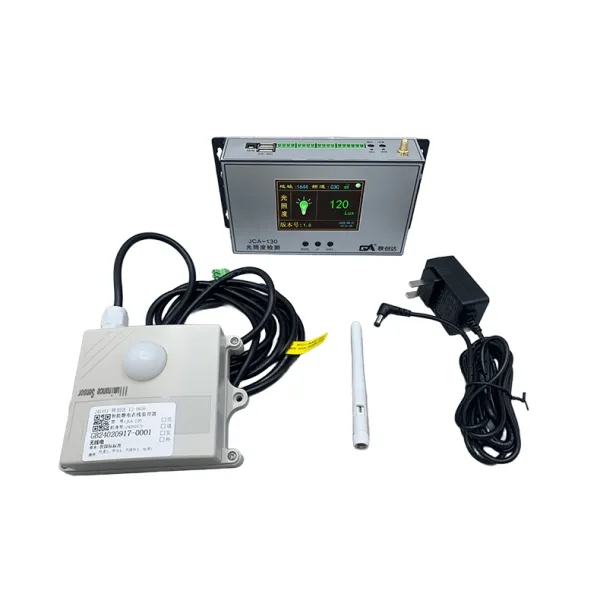


Cleanliness tester
Cleanliness Tester: Ensuring Optimal Surface Cleanliness for Critical Applications A cleanliness tester is a specialized instrument designed to measure and evaluate the level of contamination on surfaces, ensuring they meet stringent cleanliness standards required for industrial, medical, or electronic applications. These devices play a crucial role in quality control, helping industries maintain product reliability, performance, and safety by detecting residues such as oils, particles, salts, and other contaminants that may compromise functionality. How a Cleanliness Tester Works Cleanliness testers employ various analytical techniques depending on the type of contamination being assessed. Common methods include: 1. Solvent Extraction & Gravimetric Analysis – The surface is rinsed with a solvent to dissolve contaminants, which are then evaporated to measure the residual mass. This method quantifies non-volatile residues (NVR) like oils, greases, and particles. 2. Optical Fluorescence – Ultraviolet (UV) light detects organic residues by causing them to fluoresce, providing a quick qualitative assessment. 3. Ion Chromatography – Used for detecting ionic contaminants (e.g., chlorides, sulfates) that can cause corrosion or electrical failures. 4. Particle Counting – Microscopic or laser-based systems count and size particulate matter on surfaces. Applications of Cleanliness Testing Cleanliness testers are indispensable in industries where even microscopic contaminants can lead to failures: - Aerospace & Automotive – Ensures components like fuel injectors or hydraulic systems are free from residues that could impair performance. - Electronics Manufacturing – Prevents circuit board corrosion or short circuits caused by ionic or particulate contamination. - Medical Devices – Validates sterilization processes by detecting bio-residues or cleaning agent traces. - Semiconductor Production – Maintains ultra-clean surfaces to avoid defects in microchips. Benefits of Using a Cleanliness Tester - Quality Assurance – Confirms compliance with industry standards (e.g., ISO 16232, IPC J-STD-001). - Cost Savings – Reduces defects, rework, and warranty claims by identifying contamination early. - Process Optimization – Helps refine cleaning procedures for better efficiency. - Data-Driven Decisions – Provides quantifiable results for audits and continuous improvement. Conclusion A cleanliness tester is a vital tool for maintaining high standards in precision-dependent industries. By accurately measuring contaminants, it ensures product longevity, safety, and performance, making it an essential component of modern manufacturing and quality control processes. Whether through gravimetric, optical, or chemical analysis, these devices help industries achieve the cleanliness levels demanded by today’s advanced technologies.
제품
범주:
검색 결과가 없습니다!
뉴스
범주:
-
[Industry news]Building an Intelligent Real-Time ESD Monitoring Network for...
2025-11-12 17:47:50
케이스
범주:
검색 결과가 없습니다!
비디오
범주:
검색 결과가 없습니다!
다운로드
범주:
검색 결과가 없습니다!
모집
범주:
검색 결과가 없습니다!
추천 제품
검색 결과가 없습니다!



 왓츠앱
왓츠앱 핸드폰
핸드폰